
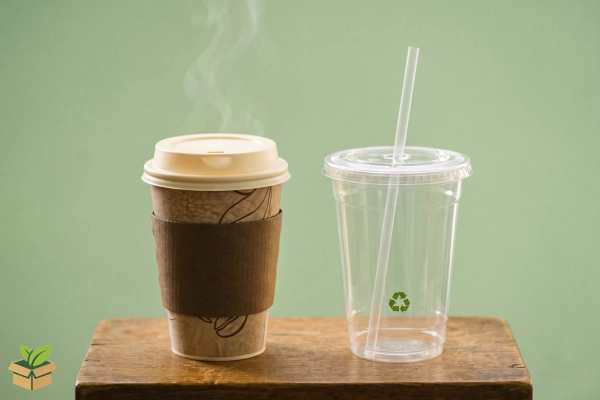
Paper Coffee Cup vs Plastic Cup: Which Is Better for You, Your Business & the Planet?
Every morning, billions of people around the world reach for a disposable cup. Whether it’s a steaming latte on the way to work or a quick chai at a roadside stall — that small cup carries a surprisingly big story. The paper coffee cup vs plastic cup debate has been going on for years, and it’s no longer just an environmental conversation. It now touches health, cost, business branding, and consumer trust.
So which one actually wins? Let’s break it down — honestly, thoroughly, and without the fluff.
☕ Understanding the Basics: What Are These Cups Made Of?
Before we compare, it’s worth understanding what each cup is actually made from. They look simple, but the materials tell a very different story.
Paper Coffee Cups
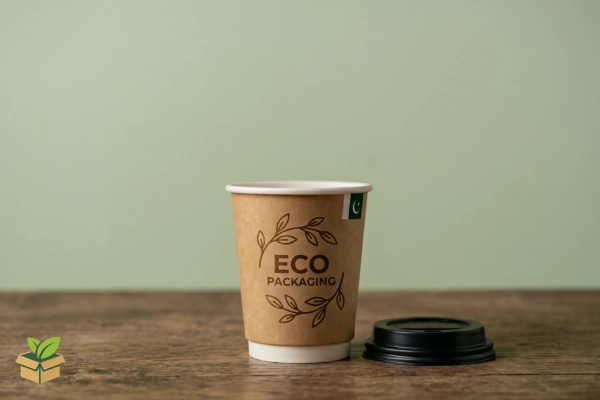
A standard paper coffee cup is made from paperboard — a thick, layered paper material. Most paper cups have a thin polyethylene (PE) plastic lining on the inside to prevent liquid from soaking through. Some premium versions use a double-wall or ripple-wall design that adds insulation without needing a separate sleeve.
At PackagingBox.pk, you’ll find options like the 12oz Insulated Ripple Double Wall Paper Coffee Cup with Lid and the 8oz Insulated Ripple Double Wall Paper Coffee Cup with Lid — both designed for hot beverages with superior grip and heat protection.
Plastic Cups
Plastic disposable cups are typically made from polystyrene (PS), polypropylene (PP), or PET (polyethylene terephthalate). They are lightweight, crystal clear, and often used for cold beverages, juices, smoothies, and iced coffees.
For cold drink service, options like the 12oz Disposable Glass Cup with Dome Lid and 16oz Disposable Glass Cup with Dome Lid offer a clean, professional look for cafes and restaurants.
🌍 Environmental Impact: The Green Truth
This is where the conversation gets real. Both cups have environmental baggage — but they carry it very differently.
Are Paper Cups Eco-Friendly?
The short answer: mostly yes, but with conditions.
Paper cups are made from a renewable resource — trees. They are biodegradable in the right conditions and feel more natural. However, the plastic lining inside most paper cups makes them difficult to recycle through standard paper recycling streams. That lining needs to be separated first, which most recycling facilities aren’t equipped to do.
That said, newer compostable paper cups are changing this. Made with plant-based PLA linings instead of PE, these cups break down in industrial composting facilities within weeks.
Key environmental facts about paper cups:
- Made from renewable, plant-based materials
- Biodegradable (without the PE lining)
- Carbon footprint is lower than plastic over a full lifecycle
- Recyclable only in specialized facilities
- Compostable versions are now widely available
Plastic Cup Environmental Impact
Plastic cups are a much bigger problem for the planet. Here’s why:
- Single-use plastic cups pollution is one of the top contributors to ocean and landfill waste
- Plastic takes 400–1,000 years to fully decompose
- Even “recyclable” plastics are only recycled about 9% of the time globally
- Plastic fragments into microplastics, contaminating soil, water, and food chains
- The carbon footprint of producing plastic from petroleum is significantly higher
The plastic vs paper cup waste comparison is not even close when it comes to long-term environmental damage. Plastic loses — badly.
🌱 Verdict: Paper cups are significantly more eco-friendly than plastic, especially when compostable or double-wall options are used.
💰 Cost & Practicality: Which Makes More Business Sense?
For café owners, restaurants, and food businesses, cost is a real factor. Let’s look at the paper cup vs plastic cup cost comparison honestly.
Paper Cup Costs
Paper cups — especially double-wall or printed versions — tend to cost slightly more per unit than basic plastic cups. However, the value they deliver goes beyond the price tag:
- Better heat insulation means customers don’t need a separate sleeve
- Premium appearance builds brand perception
- Customizable with your logo for marketing impact
- Customers prefer paper cups — it signals quality and care
For businesses wanting branded cups, 8oz Customize Coffee Cup and 12oz Customize Coffee Cup options let you turn every cup into a walking advertisement.
Plastic Cup Costs
Basic plastic cups are generally cheaper per unit. They are also:
- Lightweight and easy to stack/store
- Great for cold drinks and transparent presentation
- Available in bulk at low prices
However, the hidden costs of plastic are growing:
- Increasing plastic taxes and regulations in many countries
- Negative brand perception among eco-conscious consumers
- Potential fines as single-use plastic bans expand globally
Paper Cup vs Plastic Cup Cost — Comparison Table
| Factor | Paper Coffee Cup | Plastic Cup |
|---|---|---|
| Unit Cost | Slightly higher | Lower |
| Heat Resistance | ✅ Excellent | ⚠️ Limited |
| Cold Drink Use | ⚠️ Limited | ✅ Excellent |
| Branding Potential | ✅ High | ⚠️ Moderate |
| Eco Perception | ✅ Positive | ❌ Negative |
| Regulatory Risk | Low | Growing |
| Long-term Value | ✅ Better | ❌ Declining |
🏥 Health & Safety: What’s Actually Touching Your Drink?
This is the question most people should be asking but often don’t. Both cup types have health considerations worth knowing.
Are Paper Cups Safe for Hot Drinks?
Generally, yes — with one caveat. The PE lining inside standard paper cups can release tiny amounts of microplastics when exposed to very hot liquids. A 2020 study found that a single hot paper cup can release up to 25,000 microplastic particles into your drink within minutes.
The solution? Look for cups with PLA (plant-based) linings or certified food-safe materials. Double-wall paper cups also reduce this risk because the inner wall stays cooler.
Paper cup lining chemicals to watch for:
- Polyethylene (PE) — standard lining, slight microplastic risk with very hot drinks
- PFAS (forever chemicals) — used in some waterproofing treatments; avoid these
- PLA (polylactic acid) — plant-based, safer, and compostable ✅
BPA in Plastic Cups & Plastic Leaching
Plastic cups carry more serious health concerns, especially for hot beverages.
- BPA (Bisphenol A) is a chemical used in some plastics that mimics estrogen and has been linked to hormonal disruption
- Even BPA-free plastics can leach other chemicals like BPS and phthalates when heated
- Plastic leaching in hot beverages is a well-documented concern — heat accelerates chemical migration
- Polystyrene (styrofoam) cups are particularly problematic, releasing styrene — a possible carcinogen
⚠️ Bottom line: Never use standard plastic cups for hot drinks. For hot beverages, paper cups with food-safe linings are the safer choice.
🌿 Sustainability & Alternatives: The Bigger Picture
The smartest businesses and consumers are now thinking beyond just “paper vs plastic” and asking: what’s the most sustainable option overall?
Reusable Cup vs Disposable Cup
If you’re serious about sustainability, a reusable cup beats both paper and plastic in the long run. A single reusable cup used 100+ times has a dramatically lower carbon footprint than 100 disposable cups of any material.
However, for food service businesses, disposable cups remain a practical necessity. The goal is to choose the least harmful disposable option.
Compostable Coffee Cups
Compostable coffee cups are the gold standard in sustainable disposables right now. Made with:
- Unbleached paperboard
- PLA plant-based lining
- No synthetic dyes or coatings
They break down in 90–180 days in industrial composting conditions — leaving no toxic residue behind.
Zero Waste Coffee Cup Options
For businesses committed to a zero waste coffee cup approach:
- Offer a reusable cup discount to customers who bring their own
- Switch to compostable cups for all hot beverages
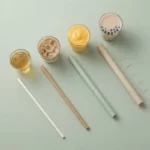
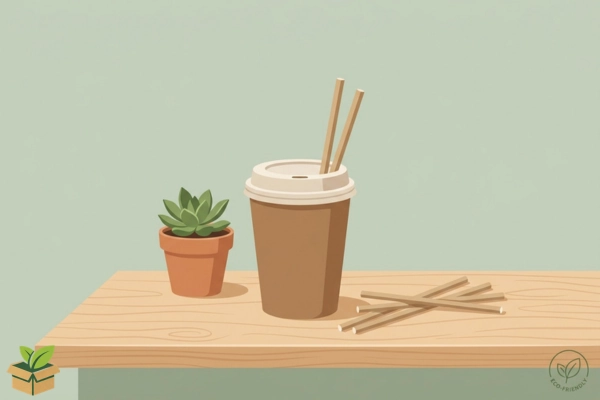
- Use paper straws instead of plastic — check out 6mm Paper Straws as an eco-friendly alternative
- Use eco-friendly wooden cutlery alongside your cups — Eco-Friendly Wooden Fork and Birchwood Wooden Spoon complete the sustainable experience
- Choose kraft cup carriers — Kraft 4 Cup Drink Carrier and Coffee Cup Carrier are both paper-based and recyclable
Paper Cup Recycling
Paper cup recycling is improving but still limited. Here’s what you can do:
- Check local recycling guidelines — some cities now accept paper cups
- Choose cups with recycling symbols and certified materials
- Opt for compostable cups where industrial composting is available
- Flatten and separate paper cups from food waste before disposal
🏆 The Final Verdict: Paper Coffee Cup vs Plastic Cup
After looking at every angle — environment, health, cost, and sustainability — here’s the honest comparison:
| Category | Paper Coffee Cup | Plastic Cup |
|---|---|---|
| 🌍 Environment | ✅ Better | ❌ Much worse |
| 🏥 Health (Hot Drinks) | ✅ Safer | ❌ Risky |
| 🏥 Health (Cold Drinks) | ⚠️ Acceptable | ✅ Generally safe |
| 💰 Unit Cost | ⚠️ Slightly higher | ✅ Cheaper |
| 🔥 Heat Resistance | ✅ Excellent | ❌ Poor |
| ❄️ Cold Drinks | ⚠️ Moderate | ✅ Excellent |
| ♻️ Recyclability | ⚠️ Improving | ❌ Very low |
| 🌱 Compostability | ✅ Available | ❌ No |
| 📣 Brand Perception | ✅ Premium/Eco | ❌ Declining |
| 📜 Regulatory Future | ✅ Safe | ❌ At risk |
Paper cups win for hot beverages — clearly and convincingly.
For cold drinks, plastic still has practical advantages, but even there, clear PET cups (which are more recyclable than PS or styrofoam) or paper cold cups are better long-term choices.
🛒 Best Paper Coffee Cups to Buy Right Now
If you’re ready to make the switch or upgrade your current setup, here are the top picks from PackagingBox.pk:
- ☕ 12oz Insulated Ripple Double Wall Paper Coffee Cup with Lid — Best for hot drinks, excellent grip
- ☕ 8oz Insulated Ripple Double Wall Paper Coffee Cup with Lid — Perfect for espresso and small servings
- ☕ 12oz Double Wall Brown Coffee Cup with Lid (Imported) — Premium look, superior insulation
- 🎨 12oz Customize Coffee Cup — Brand your cups with your logo
- 🎨 8oz Customize Coffee Cup — Smaller branded option
- 🧊 12oz Disposable Glass Cup with Dome Lid — For cold drinks and iced beverages
- 🧊 16oz Disposable Glass Cup with Dome Lid — Large cold drink option
- 🚗 Kraft 4 Cup Drink Carrier — Eco-friendly carrier for takeaway orders
- 🚗 Coffee Cup Carrier — Sturdy, paper-based cup holder
- 🥄 Disposable Stir Sticks Natural Wooden — Complete the eco experience
Browse the full Coffee Cup Collection and Coffee Cup Carriers at PackagingBox.pk.
✅ Conclusion: Make the Switch That Matters
The paper coffee cup vs plastic cup debate has a clear winner for most use cases — and that winner is paper. It’s safer for hot drinks, better for the environment, more aligned with where consumer preferences and regulations are heading, and increasingly cost-competitive.
Plastic cups still have a role for cold beverages in controlled settings, but even there, the industry is moving toward better alternatives.
If you run a café, restaurant, cloud kitchen, or food stall — making the switch to quality paper cups isn’t just the responsible choice. It’s the smart business choice. Customers notice. They remember. And they come back.
Ready to upgrade your cup game? Explore Pakistan’s best selection of paper coffee cups, eco-friendly carriers, and sustainable food packaging at PackagingBox.pk — where quality meets conscience.
❓ Frequently Asked Questions (FAQ)
Q1: Are paper cups better than plastic cups for hot coffee?
Yes. Paper cups — especially double-wall or ripple-wall designs — are significantly better for hot beverages. They provide superior insulation, are safer from a health perspective, and are more environmentally responsible than plastic cups.
Q2: Are paper cups eco-friendly?
Paper cups are more eco-friendly than plastic cups. They are made from renewable materials and are biodegradable. However, standard paper cups with PE linings can be difficult to recycle. Compostable paper cups with PLA linings are the most eco-friendly disposable option available.
Q3: Do plastic cups leach chemicals into hot drinks?
Yes. Plastic cups — especially those made from polystyrene — can leach harmful chemicals like BPA, BPS, and styrene into hot beverages. This is a well-documented health concern and a key reason why paper cups are recommended for hot drinks.
Q4: What is the carbon footprint of paper cups vs plastic cups?
Over a full lifecycle, paper cups generally have a lower carbon footprint than plastic cups. Plastic is derived from petroleum, a non-renewable resource, and its production and disposal generate significantly more greenhouse gas emissions.
Q5: Can paper cups be recycled?
Paper cups can be recycled, but it requires specialized facilities that can separate the inner plastic lining from the paper. Compostable paper cups with PLA linings are easier to process and break down in industrial composting facilities within 90–180 days.
Q6: What is the best alternative to plastic cups?
The best alternatives to plastic cups are: (1) double-wall paper cups for hot drinks, (2) compostable paper cups for maximum eco-friendliness, and (3) reusable cups for the lowest overall environmental impact.
Q7: Are paper cups safe for hot drinks?
Yes, paper cups are generally safe for hot drinks. However, cups with PE linings can release microplastics at very high temperatures. For maximum safety, choose cups with PLA (plant-based) linings or certified food-safe materials.
Q8: Which is cheaper — paper cups or plastic cups?
Plastic cups have a lower unit cost, but paper cups offer better long-term value through superior branding, heat performance, and alignment with eco-conscious consumer preferences. As plastic regulations tighten globally, paper cups are also becoming more cost-competitive.










(0) Comments