


How to Choose the Right Coffee Cup Size for Your Cafe (Complete Guide)
If you’ve ever stood in front of a shelf full of cups wondering “which size is actually right for my cafe?” — you’re not alone. Choosing the correct coffee cup size is one of those decisions that looks simple on the surface but quietly impacts everything: customer satisfaction, drink quality, portion control, and even your profit margins.
Whether you’re opening a new cafe or upgrading your current drinkware lineup, this cafe cup size guide will walk you through everything you need to know — from espresso to cold brew, from milliliters to ounces, and from beginner basics to barista-level decisions.
Let’s get into it.
☕ Why Coffee Cup Size Actually Matters More Than You Think
Most cafe owners focus heavily on coffee beans, equipment, and interior design — and rightfully so. But coffee cup size is often overlooked, even though it directly affects:
- Flavor balance — A latte in a cup that’s too large tastes watery and weak
- Customer perception — The wrong size feels like poor value, even if the recipe is perfect
- Operational consistency — Baristas need the right vessel to maintain drink ratios
- Cost control — Oversized cups mean more milk, more coffee, more cost per serving
- Brand experience — The cup is the first thing a customer holds; it sets the tone
In short, the right coffee cup size for your cafe isn’t just about aesthetics. It’s a business decision.
📏 Understanding Coffee Cup Sizes: The Basics
Before diving into specific drinks, let’s establish a clear coffee cup size chart foundation. Cup sizes are measured in ounces (oz) or milliliters (ml) — and knowing both is essential for ordering supplies and training staff.
Standard Coffee Cup Size Reference Table
| Cup Size | Oz | ML | Best For |
|---|---|---|---|
| Demitasse / Espresso | 2–3 oz | 60–90 ml | Espresso, Ristretto |
| Small / Cortado | 4–5 oz | 120–150 ml | Cortado, Macchiato |
| Standard Cappuccino | 5–6 oz | 150–180 ml | Cappuccino, Flat White |
| Medium / Latte | 8–10 oz | 240–300 ml | Latte, Americano |
| Large | 12 oz | 350 ml | Large Latte, Cold Brew |
| Extra Large / Travel | 16 oz | 475 ml | Iced Coffee, Smoothies |
| Jumbo | 20+ oz | 600+ ml | Frappuccino, Specialty Drinks |
This coffee mug sizes chart gives you a quick visual reference. Now let’s go drink by drink.
🔍 Coffee Cup Size Guide for Every Drink Type
This is the heart of the cafe cup selection process — matching the right cup to the right drink. Get this wrong, and even the best coffee will underperform.
1. Espresso Cup Size
Recommended size: 2–3 oz (60–90 ml)
Espresso is the foundation of almost every coffee drink. It’s served in a demitasse — a small, thick-walled cup that retains heat and concentrates aroma.
- A single shot = ~1 oz (30 ml)
- A double shot = ~2 oz (60 ml)
- The cup should have thick walls to maintain temperature
- Never serve espresso in a large cup — the crema dissipates instantly
Pro tip: Pre-warm your espresso cups. Cold cups kill the crema and drop the drink temperature by 5–8°C in seconds.
2. Cappuccino Cup Size
Recommended size: 5–6 oz (150–180 ml)
The cappuccino is a perfectly balanced drink — equal parts espresso, steamed milk, and foam. The cup size must respect that balance.
- Too large = the foam spreads thin and the drink loses structure
- Too small = no room for proper microfoam layering
- Classic cappuccino cups are wide at the top, narrow at the base
- This shape supports latte art and maintains foam density
A 5–6 oz cappuccino cup is the global standard used in specialty coffee shops worldwide.
3. Latte Cup Size
Recommended size: 8–12 oz (240–350 ml)
The latte is your most flexible drink — and your most popular seller in most cafes. It contains a double espresso topped with steamed milk and a thin layer of microfoam.
- 8 oz = standard latte, strong flavor, great for dine-in
- 10 oz = medium latte, most popular size globally
- 12 oz = large latte, ideal for takeaway or customers who want a longer drink
For takeaway lattes, pair with a quality double wall coffee cup to maintain temperature without a sleeve.
4. Americano Cup Size
Recommended size: 8–12 oz (240–350 ml)
An Americano is espresso diluted with hot water. The Americano cup size depends on how strong your customer wants it.
- 8 oz = standard ratio (double shot + 6 oz water)
- 12 oz = longer, milder Americano
- Use a tall, straight-sided mug for best presentation
- Americanos are often served in the same cup as lattes — which simplifies your inventory
5. Flat White Cup Size
Recommended size: 5–6 oz (150–180 ml)
The flat white sits between a cappuccino and a latte — more espresso-forward, less foam, velvety microfoam texture.
- Traditionally served in a 5 oz ceramic cup
- The smaller size intensifies the espresso-to-milk ratio
- Do NOT serve a flat white in a latte cup — it completely changes the drink character
6. Cold Brew & Iced Coffee Cup Size
Recommended size: 12–16 oz (350–475 ml)
Cold drinks need more room — ice takes up significant volume. For iced coffee and cold brew:
- 12 oz = standard iced latte
- 16 oz = large iced drink, most popular in summer menus
- Use clear disposable cups so customers can see the drink layers — it’s a visual selling point
- Pair with a dome lid for topped drinks like cold foam or whipped cream
7. Specialty & Blended Drinks
Recommended size: 16–20 oz (475–600 ml)
Frappuccinos, smoothies, and blended specialty drinks need generous sizing:
- 16 oz = standard blended drink
- 20 oz = large format, great for premium pricing
- Always use a dome lid for whipped cream toppings
- Consider branded cups for these — they’re your most Instagram-worthy drinks
🏪 How to Choose the Right Cup Size for YOUR Cafe
Now that you understand the coffee cup sizes for each drink, here’s how to make the final decision for your specific cafe setup.
Step 1: Define Your Menu First
Don’t buy cups and then build your menu around them. Do it the other way around.
- List every drink you plan to serve
- Assign the ideal size to each drink
- Identify which sizes overlap (e.g., latte and Americano often share the same cup)
- Aim to minimize the number of different cup sizes you stock — 3–4 sizes cover most menus
Step 2: Consider Your Service Style
Dine-in cafe:
- Invest in quality ceramic cups — they retain heat better and elevate the experience
- Cappuccino cups, latte glasses, and espresso demitasses are your core set
Takeaway / delivery focused:
- Disposable paper cups are essential
- Double-wall insulated cups eliminate the need for sleeves and keep drinks hot longer
- Check out 8oz double wall coffee cups and 12oz double wall options for your takeaway lineup
Hybrid cafe (dine-in + takeaway):
- Stock both ceramic and disposable
- Use the same size range across both to keep barista workflow consistent
Step 3: Think About Branding
Your cup is a walking advertisement. When a customer walks out with your branded cup, every person they pass sees your cafe.
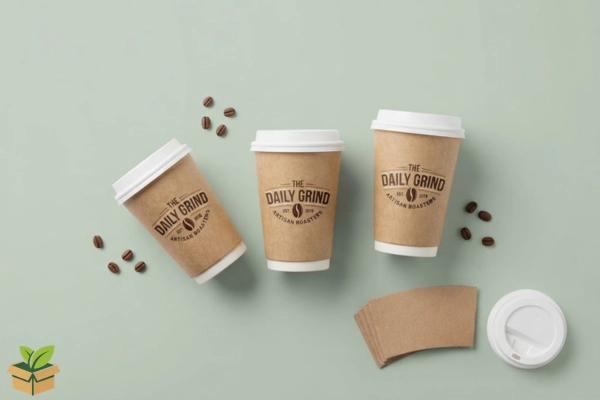
- Custom printed cups make your brand instantly recognizable
- Even a simple logo on a quality cup elevates perceived value
- Consider customized double wall coffee cups — they look premium and keep drinks hot
Step 4: Calculate Your Cost Per Cup
Larger cups = more coffee + more milk = higher cost per drink. Here’s a simple framework:
| Cup Size | Approx. Milk Used | Cost Impact |
|---|---|---|
| 6 oz Cappuccino | ~90 ml milk | Low cost |
| 8 oz Latte | ~180 ml milk | Medium cost |
| 12 oz Large Latte | ~280 ml milk | Higher cost |
| 16 oz Iced Latte | ~300 ml milk + ice | Highest cost |
Price your menu accordingly. A 12 oz latte should cost noticeably more than an 8 oz — not just because of the cup, but because of the milk volume.
Step 5: Train Your Baristas
Even the best cup size selection fails without proper barista training. Make sure your team knows:
- Which cup to use for which drink — every single time
- How to fill cups to the correct level (not too full, not too empty)
- How cup shape affects foam texture and latte art
- Why consistency matters for customer experience
Pair this with quality wooden coffee stir sticks and branded custom printed coffee napkins to complete the professional presentation.
📦 Disposable vs. Ceramic: Which Is Better for Your Cafe?
This is one of the most common questions in cafe drinkware selection. Here’s an honest breakdown:
| Factor | Ceramic Cups | Disposable Paper Cups |
|---|---|---|
| Heat Retention | Excellent | Good (double wall) |
| Customer Experience | Premium, tactile | Convenient, portable |
| Cost Per Use | Low (reusable) | Per-cup cost |
| Branding Opportunity | Limited (printing costly) | High (custom print easy) |
| Best For | Dine-in, specialty cafes | Takeaway, high-volume |
| Eco Impact | Low (reusable) | Low (if paper/compostable) |
The smart answer: Use both. Ceramic for dine-in, quality disposable for takeaway. This gives customers the best of both worlds.
For takeaway, consider pairing your cups with a kraft 4-cup coffee carrier or a 2-cup kraft cardboard holder — these small touches dramatically improve the customer experience and reduce spill complaints.
🌿 Eco-Friendly Cup Choices: What Modern Customers Expect
Today’s cafe customers are increasingly eco-conscious. Choosing sustainable drinkware isn’t just good for the planet — it’s good for business.
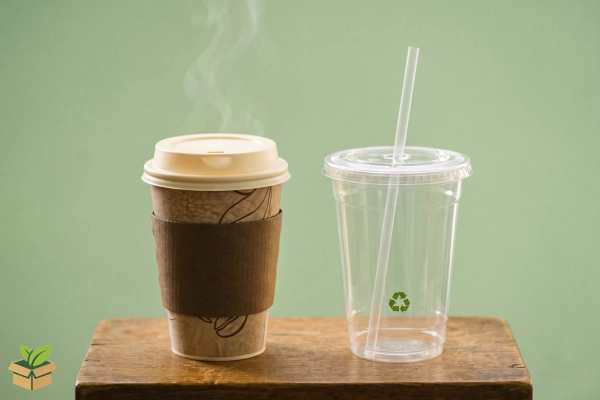
- Double-wall paper cups eliminate the need for plastic sleeves
- Compostable lids are becoming the new standard
- Customers notice and appreciate eco-friendly choices — it builds loyalty
- Some markets now have regulations against single-use plastics
When you choose quality disposable coffee cups, you’re also making a statement about your brand values. Pair your cups with paper straws instead of plastic ones — a small switch that customers genuinely appreciate.
❌ Common Coffee Cup Size Mistakes Cafes Make
Even experienced cafe owners get this wrong. Here are the most common errors:
- Using one size for everything — A single “universal” cup compromises every drink
- Buying the cheapest cups available — Thin walls = cold drinks, poor experience
- Ignoring cup shape — A wide, shallow cup kills espresso crema; a tall narrow cup ruins foam
- Not matching cup size to recipe — If your latte recipe is built for 8 oz, serving it in 12 oz changes the drink
- Forgetting about lids — Always stock matching lids for every cup size you carry
- No carrier solution — Customers ordering 2+ drinks need a carrier; don’t make them juggle
💡 Quick Reference: Best Coffee Cup Size by Drink
Here’s your final barista cup size guide — a quick cheat sheet to print and post in your cafe:
| Drink | Ideal Size (oz) | Ideal Size (ml) |
|---|---|---|
| Espresso / Ristretto | 2–3 oz | 60–90 ml |
| Macchiato | 3–4 oz | 90–120 ml |
| Cortado | 4–5 oz | 120–150 ml |
| Flat White | 5–6 oz | 150–180 ml |
| Cappuccino | 5–6 oz | 150–180 ml |
| Latte (standard) | 8–10 oz | 240–300 ml |
| Americano | 8–12 oz | 240–350 ml |
| Large Latte | 12 oz | 350 ml |
| Iced Latte / Cold Brew | 12–16 oz | 350–475 ml |
| Blended / Frappuccino | 16–20 oz | 475–600 ml |
Save this table. Share it with your team. It will save you from a lot of inconsistency.
✅ Conclusion: Get the Cup Right, Get the Cafe Right
Choosing the right coffee cup size for your cafe is one of the most impactful — and most underestimated — decisions you’ll make. It affects drink quality, customer experience, operational efficiency, and your bottom line.
The formula is simple:
- Know your menu — build your cup selection around your drinks
- Match size to recipe — every drink has an ideal vessel
- Invest in quality — cheap cups cost you more in the long run
- Think about branding — your cup is your most portable marketing tool
- Go eco-friendly — customers respect and reward sustainable choices
Whether you’re a new cafe owner just starting out or a seasoned barista upgrading your setup, the right cup is out there. Start with the sizes in this guide, test them with your actual recipes, and refine from there.
Your coffee deserves the right home. Give it one.
Ready to stock your cafe with the right cups? Explore our full range of disposable coffee cups, custom printed options, and cup carriers — everything your cafe needs, all in one place.





















(0) Comments