
How to Choose the Right Food Container Bucket Size (Complete Buying Guide)
Picking the wrong food container bucket size is one of those mistakes that seems small — until you’re dealing with spoiled ingredients, wasted space, or a bucket that’s simply too heavy to lift. Whether you’re a home baker, a restaurant owner, or someone stocking up for long-term food storage, choosing the right food container bucket size can save you money, reduce waste, and keep your food fresher for longer.
This guide walks you through everything you need to know — from understanding food bucket gallon sizes to matching the right container to your specific use case. Let’s unpack it step by step.
🪣 What Is a Food Container Bucket and Why Does Size Matter?
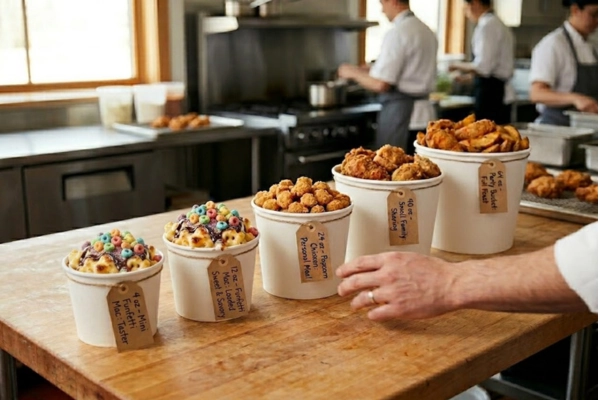
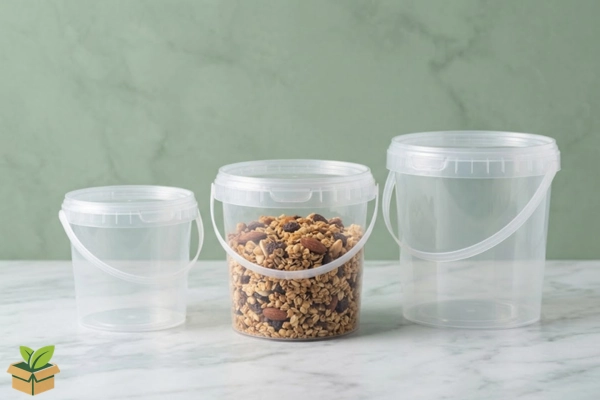
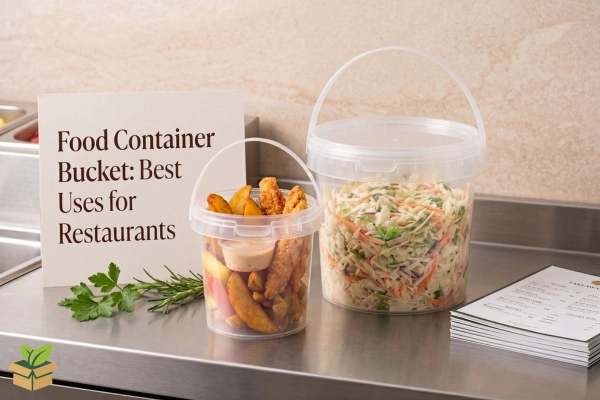
A food container bucket is a sturdy, sealable container — typically made from food-grade plastic — designed to safely store dry or liquid food items. They come in a wide range of sizes, from small 500gm buckets to large commercial-grade containers holding 20+ liters.
Size matters more than most people realize. Here’s why:
- Too small: You’ll run out of storage space quickly, leading to multiple containers and disorganized storage.
- Too large: Excess air inside a partially filled bucket accelerates oxidation and spoilage.
- Just right: Proper sizing maintains freshness, reduces handling frequency, and optimizes storage space.
The goal of a good food storage bucket size selection is to match your container volume to your actual usage needs — no more, no less.
📏 Understanding Food Bucket Sizes: A Complete Size Chart
Before diving into use cases, let’s get familiar with the most common food container bucket sizes available in the market. Sizes are typically measured in grams (for solids) or liters/oz (for liquids).
Common Food Grade Bucket Sizes
| Size | Approx. Capacity | Best For |
|---|---|---|
| 500gm | ~0.5 liters | Single servings, small batches, gifting |
| 1kg – 1.5kg | ~1–1.5 liters | Home baking, small families |
| 2kg – 3kg | ~2–3 liters | Weekly meal prep, medium households |
| 5 liters (1.3 gal) | ~5 liters | Restaurant prep, bulk home storage |
| 10–15 liters | ~10–15 liters | Commercial kitchens, catering |
| 20+ liters | ~20 liters+ | Industrial use, long-term food storage |
💡 Pro Tip: Always check the net weight capacity vs. volume capacity — they are different. A 5-liter bucket holds 5 liters of water, but only 3–4kg of flour due to density differences.
If you’re looking for ready-to-use options, you can explore the food container bucket collection which includes both small and large sizes for different needs.
🎯 How to Choose the Right Food Container Bucket Size: 6 Key Factors
This is the core of your decision. Don’t just grab the biggest bucket available — use these six factors to make a smart, informed choice.
1. 🏠 Who Is It For? (Home vs. Commercial Use)
Your usage environment is the first filter.
For Home Use:
- Small families (2–4 people) → 500gm to 1.5kg buckets work well
- Large families or meal preppers → 2kg to 5-liter buckets are ideal
- Home bakers storing flour, sugar, or dry mixes → 1kg to 3kg range
For Commercial / Restaurant Use:
- Daily prep kitchens → 5 to 10-liter buckets
- Catering businesses → 10 to 20-liter bulk containers
- Industrial food processing → 20-liter and above
The key difference is turnover rate — commercial kitchens use ingredients faster, so larger buckets make economic sense. Home users should stick to smaller sizes to avoid spoilage.
2. 🍞 What Type of Food Are You Storing?
Different foods have different storage requirements, and this directly affects which food container bucket size you should choose.
Dry Goods (Flour, Sugar, Rice, Spices):
- These are dense and heavy — don’t oversize
- A 2–3kg bucket is usually the sweet spot for home use
- For bulk dry storage, a 5-liter airtight bucket works well
Wet or Liquid Foods (Sauces, Pickles, Honey, Marinades):
- Liquids need a fully airtight, leak-proof seal
- Smaller sizes (500ml–1 liter) are better for daily-use items
- Larger buckets for batch cooking or commercial prep
Frozen Foods:
- Use containers rated for freezer use
- Leave 10–15% headspace for expansion
- Medium-sized buckets (1–2 liters) are most practical
Baked Goods (Cookies, Brownies, Cakes):
- Presentation matters here — clear buckets are preferred
- The clear plastic round bucket with lid (500gm) is a popular choice for gifting baked items
- For larger bakery batches, check the clear plastic bucket with lid for bigger capacity needs
3. ⏳ How Long Will You Store the Food?
Storage duration is one of the most overlooked factors in food storage container selection.
- Short-term (1–3 days): Almost any size works. Focus on convenience and ease of access.
- Medium-term (1–4 weeks): Choose airtight buckets with secure lids. Avoid oversized containers that trap excess air.
- Long-term (months to years): This is where food bucket for long term storage really matters. Use oxygen-absorber-compatible, food-grade buckets. Sizes of 5–20 liters are common for emergency food prep.
For long-term storage, an airtight food storage bucket is non-negotiable. The seal quality matters as much as the size.
4. 📦 How Much Space Do You Have?
Storage space is a practical constraint that many buyers ignore until it’s too late.
- Small kitchens or pantries: Opt for stackable food storage buckets that maximize vertical space. Round buckets often stack better than square ones.
- Large storage rooms or warehouses: You have flexibility — go for larger sizes to reduce the number of containers.
- Refrigerator storage: Measure your shelf dimensions before buying. Compact, rectangular containers often fit better.
Think about your storage layout before you buy. A set of uniform-sized, stackable buckets is almost always more efficient than a random mix of sizes.
5. 💰 Budget and Buying in Bulk
Here’s a practical truth: larger buckets are more cost-efficient per unit of storage, but only if you’ll actually use the full capacity.
- Buying a 10-liter bucket when you only need 2 liters is wasteful — both in food and money.
- For businesses, buying bulk food storage buckets in standard sizes reduces per-unit cost significantly.
- For home users, investing in 2–3 medium-sized quality buckets is smarter than one oversized cheap one.
Also consider: will you reuse the bucket? High-quality food-grade buckets can be washed and reused many times, making the per-use cost very low.
6. 🏷️ Food Safety and Material Standards
Not all plastic buckets are created equal. Always verify:
- Food-grade plastic (usually HDPE — High-Density Polyethylene, marked with recycling symbol #2)
- BPA-free construction
- FDA or food-safe certification where applicable
- Airtight lid mechanism — snap-on, screw-top, or gamma seal
Using non-food-grade containers for food storage can leach harmful chemicals into your food. This is especially critical for food bucket for long term storage applications.
🍗 Popular Food Bucket Use Cases and Recommended Sizes
Let’s get specific. Here are the most common use cases and the best bucket size for food storage in each scenario.
🎂 Bakeries and Home Bakers
Bakers need containers for ingredients (flour, sugar, cocoa) as well as for finished products.
- Ingredient storage: 2–5kg buckets with secure lids
- Finished product display/gifting: Clear 500gm–1kg buckets
- For a polished presentation, pair your bucket with bakery packaging options for a complete gifting solution.
🍗 Fried Chicken & Fast Food Restaurants
The iconic fried chicken bucket is a staple of fast food culture — and size selection here is purely about portion control.
- Individual serving: Small snack-sized buckets
- Family meal: Medium to large buckets
- You can explore KFC-style fried chicken buckets and snack buckets for restaurant-ready options.
🥗 Meal Prep and Catering
Caterers and meal preppers need containers that are practical, stackable, and easy to label.
- Individual meal portions: 500ml–1 liter containers
- Batch cooking for families: 2–5 liter buckets
- Large event catering: 10–20 liter commercial buckets
Pair your buckets with disposable black plastic food containers for portioned meal delivery — available in 500ml, 750ml, 1000ml, and 1500ml sizes.
🌾 Long-Term Emergency Food Storage
Preppers and households building emergency food reserves need the largest, most durable options.
- Recommended size: 5-gallon (approx. 18–20 liter) food-grade buckets
- Must be airtight and compatible with oxygen absorbers
- Store in cool, dark locations for maximum shelf life
🏪 Retail and Product Packaging
Businesses selling food products (honey, pickles, dry fruits, spices) need buckets that are both functional and visually appealing.
- Small retail jars/buckets: 250ml–500ml — perfect for premium products
- Medium retail: 1–2 liter for standard product lines
- Consider round plastic jars in 270ml, 500ml, 750ml, and 1000ml sizes for retail-ready food packaging.
📊 Food Container Size Chart: Quick Reference Guide
Here’s a consolidated food container capacity guide for fast decision-making:
| Use Case | Recommended Size | Key Feature Needed |
|---|---|---|
| Individual gifting / bakery | 500gm – 1kg | Clear, presentable |
| Home daily use | 1 – 2 liters | Easy open/close lid |
| Weekly meal prep | 2 – 5 liters | Stackable, airtight |
| Restaurant / commercial prep | 5 – 15 liters | Durable, food-grade |
| Long-term food storage | 15 – 20 liters | Airtight, BPA-free |
| Industrial / bulk storage | 20+ liters | Heavy-duty, sealable |
⚠️ Common Mistakes to Avoid When Choosing a Food Bucket
Even experienced buyers make these errors. Here’s what to watch out for:
- Buying by looks, not specs — A bucket that looks large may have a smaller actual capacity than labeled.
- Ignoring lid quality — The best bucket is useless with a poor-fitting lid. Always test the seal.
- Mixing food and non-food buckets — Never reuse buckets that previously held chemicals or non-food items.
- Overlooking stackability — If you’re buying multiple buckets, make sure they stack stably.
- Not accounting for weight — A 20-liter bucket full of flour weighs 15–18kg. Make sure it’s manageable.
- Skipping food-grade verification — Always confirm the plastic is food-safe before use.
🛒 Where to Buy the Right Food Container Bucket in Pakistan
Finding quality food safe container sizes in Pakistan has become much easier with dedicated packaging suppliers. When shopping, look for:
- Verified food-grade materials
- Multiple size options in the same product line
- Clear product specifications (capacity, dimensions, material)
- Bulk pricing for commercial buyers
You can browse a full range of food container buckets and related plastic food packaging at the plastic products section — including deli containers, round plastic jars, and food-grade storage options.
For businesses needing complete food packaging solutions — from buckets to kraft bowls, aluminum foil containers, and salad bowls — a one-stop packaging supplier saves both time and cost.
✅ Final Checklist Before You Buy
Before placing your order, run through this quick checklist:
- Identified my primary use case (home / commercial / long-term)
- Calculated the approximate volume I need
- Confirmed the material is food-grade and BPA-free
- Checked that the lid creates an airtight seal
- Verified the bucket is stackable (if buying multiple)
- Compared price per liter across available sizes
- Considered reusability and cleaning ease
💡 Conclusion: Size Smart, Store Better
Choosing the right food container bucket size isn’t complicated — but it does require a moment of intentional thinking. Match your container to your food type, storage duration, available space, and usage frequency. A well-chosen bucket protects your food, saves money, and makes your kitchen or business run more smoothly.
Whether you need a small 500gm clear bucket for gifting, a 5-liter airtight container for weekly meal prep, or large commercial-grade buckets for your restaurant — the right size is out there. Now you know exactly how to find it.
Ready to find your perfect food storage bucket? Browse the complete range of food container buckets and plastic food packaging products to get started today.













(0) Comments