

How to Use Deli Containers for Meal Prep Businesses: The Ultimate Packaging Guide
If you’re running or launching a meal prep business, the container you choose can quietly make or break your customer experience. Deli containers for meal prep businesses have become the go-to packaging solution across Pakistan’s growing food industry — and for good reason. They’re affordable, stackable, leak-resistant, and flexible enough to handle everything from a single portion of grilled chicken to a week’s worth of bulk-prepped meals. In this guide, we’ll walk through exactly how to use them, which sizes work best for different menus, and how to avoid the packaging mistakes that quietly cost small food businesses money every month.
🥡 Why Deli Containers Work So Well for Meal Prep
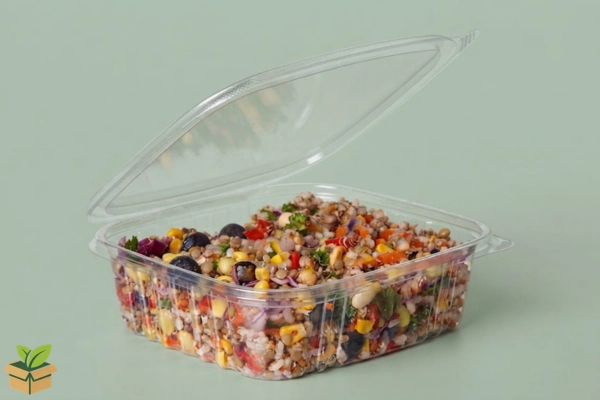
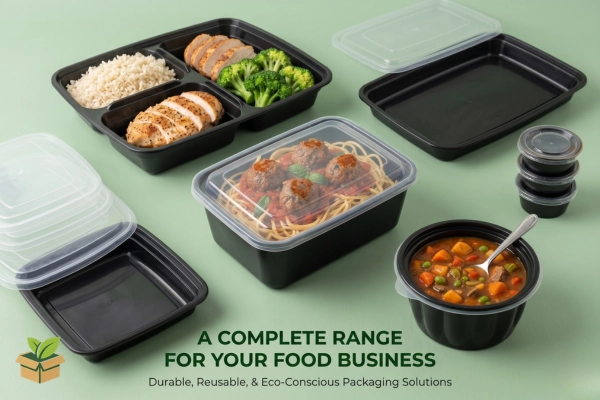
Meal prep businesses operate under a specific kind of pressure — meals need to look fresh, travel safely, and survive a day or two in the fridge without losing texture or flavor. This is exactly where deli cups for meal prep shine. Their clear, rigid build lets customers see the food before they even open the lid, which builds trust and makes your menu feel more premium than a plain foil tray ever could.
Beyond appearance, deli containers solve a practical problem that many home-based and small-scale food businesses struggle with: consistency. Because they come in standardized sizes, every portion looks and weighs the same, which makes pricing, nutrition labeling, and customer expectations far easier to manage. Add to that their stackability in commercial fridges and delivery bags, and it’s easy to see why so many restaurant meal prep containers in Pakistan have shifted toward this format over the last few years.
There’s also a cost angle worth mentioning. Compared to custom-molded packaging, bulk deli containers for meal prep are produced at scale, which keeps unit prices low even when you’re ordering in smaller batches. For businesses still finding their footing, that affordability without sacrificing presentation is often the deciding factor.
📦 Understanding Deli Container Types and Sizes
Not every meal needs the same container, and this is where a lot of new meal prep businesses lose money — either overpaying for oversized packaging or under-sizing containers so food looks cramped and unappealing. Deli containers typically come in two main styles: hinged containers, where the lid is attached, and cup-and-lid combos, where the lid is separate. Hinged versions are faster to pack and seal, which matters a lot when you’re prepping dozens of orders in a short window.
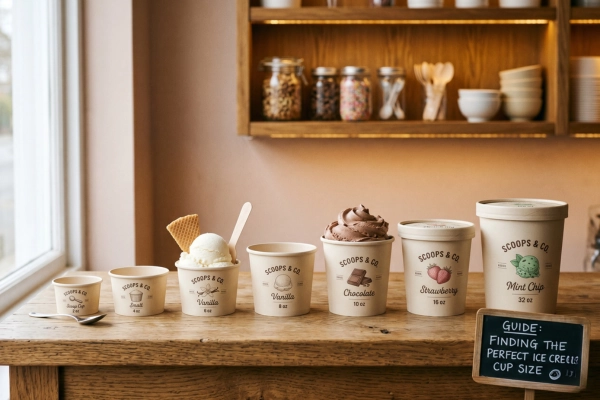
Sizing is where things get strategic. A container that’s too large makes a meal look skimpy, while one that’s too small can crush delicate ingredients like rice, salad greens, or sauces. Here’s a quick breakdown of how sizing typically maps to menu items:
| Container Size | Best Suited For | Typical Use Case |
|---|---|---|
| 6oz – 8oz | Sauces, dips, small sides | Dressings, chutneys, condiments |
| 12oz – 16oz | Single-portion light meals | Salads, soups, breakfast bowls |
| 20oz – 24oz | Standard full meals | Rice dishes, curries, pasta bowls |
| 28oz – 32oz | Bulk or family-style portions | Multi-day meal plans, large entrees |
If you’re sourcing these in bulk, it’s worth browsing a complete range of deli containers to compare sizes side by side before committing to a wholesale order. For businesses specifically prepping larger batch meals, the 28oz hinged deli box and 32oz hinged deli box tend to be the most practical starting points.
🍱 How to Use Deli Containers for Meal Prep Businesses: Step by Step
Knowing how to use deli containers for meal prep properly isn’t just about dropping food in and closing the lid — there’s a sequence that protects food quality and keeps your operation efficient during high-volume prep days.
Portioning Before Packing
Start by portioning ingredients separately before they ever touch the container. Proteins, carbs, and vegetables cook at different rates and hold moisture differently, so combining them too early often leads to sogginess by the time a customer opens their meal. Many successful meal prep businesses use a dedicated portion-control container or scale to keep every box visually and nutritionally consistent — this is especially important if you’re marketing calorie-counted or macro-based meal plans.
Cooling Before Sealing
This step gets skipped more often than it should. Sealing hot food immediately traps steam inside the container, which creates condensation, speeds up bacterial growth, and leaves you with a soggy, unappetizing meal by the next day. Letting food cool to room temperature — ideally within 30 to 45 minutes — before sealing dramatically extends shelf life and keeps textures intact.
Sealing and Checking the Lid Fit
A properly sealed deli container should sit flush with no gaps at the corners. Loose lids are one of the most common causes of leaks during delivery, especially with liquid-heavy meals like curries or soups. If your menu includes a lot of sauce-based dishes, it’s worth pairing your main containers with tamper-evident lids for an extra layer of security during transit.
Labeling for Clarity and Compliance
Every container should carry a label with the meal name, prep date, and basic nutritional information if relevant. This isn’t just good practice — it’s increasingly expected by customers who want transparency about what they’re eating and how fresh it is. A clean label also reinforces your brand every time a customer opens their fridge.
Storing and Stacking
Deli containers are designed to stack efficiently, but that only works if they’re stored upright and loaded from heaviest to lightest. Freezer-safe deli containers hold their shape well under cold storage, while standard versions are better suited for same-day or next-day fridge storage. Knowing which to use for which shelf life prevents warping and keeps your cold storage organized.
✅ Choosing the Right Deli Container for Your Business
Picking containers isn’t just about size — a handful of practical factors determine whether a container actually performs well under daily business conditions.
- Microwave compatibility matters if your customers reheat meals directly in the container rather than transferring food to a plate.
- Clarity and rigidity affect how premium the final product looks on a shelf or in a delivery bag.
- BPA-free certification is non-negotiable for any business marketing itself as health-conscious or family-friendly.
- Stack height and nesting influence how much storage space you’ll need in a commercial kitchen or small prep space.
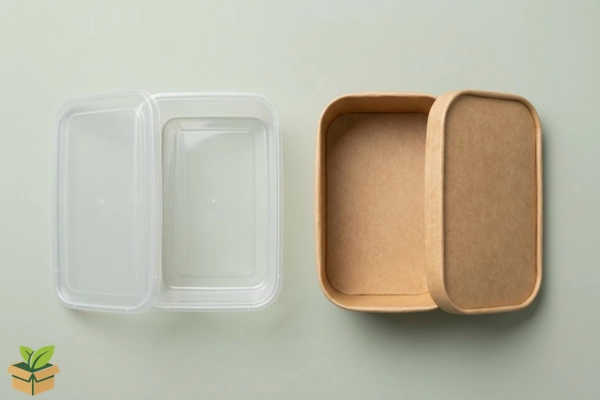
If you’re still deciding between material types, our guide on choosing food-grade plastic containers breaks down the safety standards worth checking before you commit to a bulk order. It’s also worth comparing plastic versus paper container options if your menu includes a mix of dry and wet dishes, since the right material often depends on moisture content rather than price alone.
🌱 Food Safety and Sustainability Considerations
Food safety isn’t optional, and it’s one area where cutting corners tends to show up quickly in customer complaints or, worse, health inspections. Airtight food containers slow bacterial growth by limiting oxygen exposure, which is particularly important for meals that sit in a fridge for two or three days before being eaten. Beyond safety, sustainability has become a genuine selling point rather than a nice-to-have feature. Customers increasingly notice when a business uses eco-friendly deli containers for businesses instead of flimsy, wasteful packaging — and they’re often willing to pay slightly more for it.
If sustainability is becoming a bigger part of your brand identity, it’s worth reading through our breakdown on switching your business to eco-friendly packaging, which covers how to make the transition without disrupting your existing supply chain or inflating costs overnight.
💰 Cost-Effective Packaging Tips for Scaling
As a meal prep business grows, packaging costs can quietly eat into margins if they’re not planned carefully. Buying deli containers wholesale rather than in small retail batches almost always brings the per-unit cost down significantly, especially once monthly order volume crosses a few thousand units. It also helps to standardize around two or three container sizes rather than stocking a dozen variations — this simplifies both ordering and kitchen workflow.
Another overlooked tactic is pairing your core deli containers with complementary commercial kitchen supplies, like bulk food packaging for catering orders or larger buckets for family-style meal plans. If your business occasionally handles bigger batch orders, it’s worth looking at food container buckets as a secondary packaging option alongside your standard deli line.
⚠️ Common Mistakes to Avoid
Even experienced meal prep operators fall into a few recurring traps when it comes to packaging:
- Sealing containers while food is still hot, which leads to condensation and shortened shelf life
- Using one container size for every menu item, which makes some meals look overpriced or underfilled
- Skipping labels, which creates confusion for customers and compliance issues over time
Packaging mistakes like these are more common than most business owners realize, and they tend to compound quietly rather than causing one obvious failure. Our detailed breakdown of packaging mistakes small businesses make is worth a read if you want a fuller checklist beyond what’s covered here. It’s also worth noting that packaging quality directly influences repeat purchases — our piece on how packaging affects food sales in Pakistan explains this connection in more depth.
❓ Frequently Asked Questions
What size deli container is best for a meal prep business? Most meal prep businesses do well with a 20oz to 24oz container for standard meals, scaling up to 28oz–32oz for bulk or family-style orders.
Are deli containers microwave-safe? Most clear plastic deli containers sold for food use are microwave-safe, but it’s always worth confirming with the specific product listing since wall thickness and material grade can vary.
Can deli containers be reused by customers? Yes, many are durable enough for light reuse, though single-use disposable deli containers remain the more hygienic and cost-effective choice for most meal prep operations.
How do I prevent leaks when delivering meals in deli containers? Cooling food before sealing, choosing a properly fitted lid, and adding tamper-evident seals for liquid-heavy meals are the most reliable ways to prevent leaks during delivery.
Is it cheaper to buy deli containers wholesale? Yes, buying in bulk significantly reduces the per-unit cost compared to smaller retail purchases, which matters once your order volume scales beyond a few hundred units per week.
🚀 Final Thoughts
Choosing the right deli containers for meal prep businesses isn’t just a packaging decision — it’s a direct extension of your brand’s reliability and presentation. From portion control to proper sealing and sustainable material choices, every small detail in how you pack a meal shapes how a customer perceives your business before they’ve even taken a bite. Getting this right early saves money, reduces waste, and builds the kind of trust that keeps customers coming back for their next order.
If you’re ready to upgrade your packaging setup, explore our full deli container collection and find the right sizes for your menu today.
















(0) Comments