

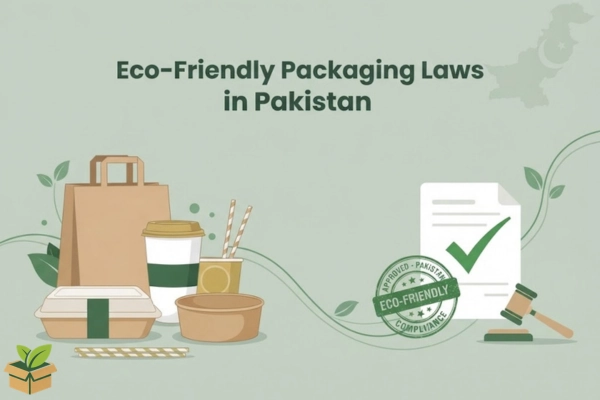
Eco-Friendly Packaging Laws in Pakistan: What You Need to Know
If you run a business in Pakistan today — whether it’s a bakery in Lahore, a growing e-commerce brand in Karachi, or a restaurant chain in Islamabad — you’ve probably noticed that the conversation around packaging has changed dramatically. The eco-friendly packaging laws in Pakistan are no longer a footnote in environmental policy; they’re becoming a core part of how businesses are expected to operate. From plastic bans to biodegradable material requirements, the government is actively reshaping what “acceptable packaging” looks like, and ignoring these changes can cost businesses far more than a fine — it can cost them customer trust.
This guide breaks down everything you need to know about Pakistan’s evolving packaging regulations, why they exist, how they’re enforced, and most importantly, what practical steps your business can take to stay compliant while actually benefiting from the shift toward sustainability.
🌍 Why Pakistan Is Rewriting Its Packaging Rulebook
Pakistan generates an enormous volume of plastic waste every year, and a significant portion of it comes directly from packaging — grocery bags, food containers, beverage pouches, and e-commerce wrapping. For decades, this waste piled up in landfills, clogged drainage systems, and made its way into rivers and oceans with little resistance. The turning point came when environmental degradation started translating into visible, costly problems: flooded streets during monsoon season, contaminated soil, and rising public health concerns tied to plastic pollution.
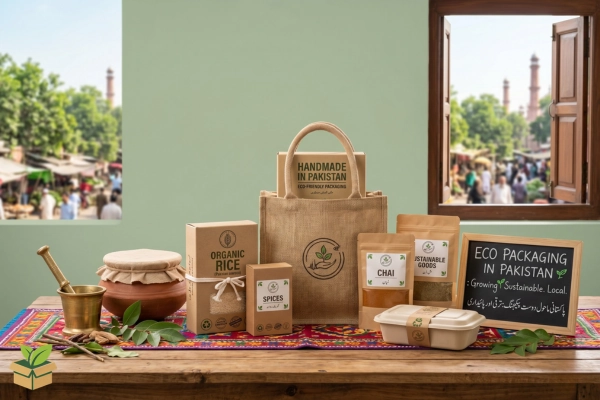
In response, federal and provincial governments began introducing sustainable packaging regulations in Pakistan aimed at reducing single-use plastic dependency and encouraging businesses to adopt biodegradable or recyclable alternatives. These aren’t isolated efforts either — they reflect a broader regional and global trend where governments are tightening environmental compliance across industries. If you want a deeper look at how this shift started gaining momentum locally, our article on how eco packaging is growing in Pakistan offers useful context on the market side of this transformation.
What makes Pakistan’s situation particularly interesting is the pace of change. Unlike markets where packaging reform happened gradually over a decade, Pakistan has compressed much of this transition into just a few years, which means businesses that haven’t kept up are now scrambling to catch up with notifications, bans, and compliance deadlines they may not have even known existed.
📜 Understanding the Legal Framework Behind Pakistan’s Packaging Policies
To make sense of the current rules, it helps to understand who actually makes and enforces them. Pakistan’s environmental governance operates on both federal and provincial levels, which is why the rules can look slightly different depending on where your business operates.
🏛️ The Role of Pak-EPA and Provincial Agencies
At the federal level, the Pakistan Environmental Protection Agency (Pak-EPA) sets the broader national framework for environmental compliance, including guidelines that influence packaging material standards. However, because environmental regulation is a provincial subject under Pakistan’s constitutional structure, much of the actual enforcement happens through provincial bodies.
In Punjab, the Punjab Environmental Protection Act governs packaging-related restrictions, while in Sindh, the Sindh Environmental Protection Agency has issued its own notifications targeting single-use plastics. This dual-layer system means a packaging product that’s fully compliant in one province might face restrictions in another, which is exactly why businesses operating across multiple regions need to stay especially alert.
⚖️ Key Legislation Shaping the Rules
The legal backbone of these regulations typically falls under broader environmental protection acts, which empower provincial governments to issue specific notifications — essentially official orders that ban, restrict, or regulate certain packaging materials. These notifications are where the real operational detail lives, covering everything from plastic bag thickness limits to outright bans on specific plastic categories.
This is also where many business owners get caught off guard. A law might exist on paper for years, but it’s the notification that triggers actual enforcement — inspections, fines, and sometimes seizure of non-compliant inventory.
🚫 The Plastic Packaging Ban: What’s Actually Banned
The most visible part of Pakistan’s environmental packaging policy is the plastic packaging ban, which has been rolled out in phases across different cities and provinces. Islamabad was among the first to implement a strict single-use plastic bag ban, and since then, Punjab and Sindh have followed with their own versions targeting similar products.
Generally, the restricted categories include:
- Thin single-use plastic shopping bags below a specified micron thickness
- Certain disposable plastic cutlery and straws in select regions
- Non-biodegradable plastic sheets used for packaging in specific sectors
- Plastic packaging that doesn’t meet minimum degradability standards
It’s worth noting that enforcement intensity varies significantly by city and season — some areas conduct aggressive market crackdowns, while others apply the rules more loosely. That inconsistency is frustrating for business owners, but it doesn’t mean the risk is low. Many retailers have faced fines or confiscated stock simply because they assumed their area wasn’t actively enforcing the ban. If your business relies heavily on plastic-based packaging, switching now is far safer than waiting for an inspection to force your hand. Our guide on switching to eco-friendly business packaging walks through exactly how to make that transition smoothly.
🌱 Biodegradable & Compostable Packaging Rules Explained
As plastic restrictions tighten, the spotlight has shifted toward promoting biodegradable and compostable alternatives. The biodegradable packaging rules in Pakistan generally encourage — and in some notified categories, require — businesses to use materials that break down naturally without leaving harmful microplastics behind.
🔄 Biodegradable vs Compostable: Why the Difference Matters
A common misconception among business owners is treating “biodegradable” and “compostable” as interchangeable terms. They’re not, and the distinction actually matters for compliance purposes. Biodegradable materials break down over time through natural processes, but the timeline and environmental conditions required can vary widely. Compostable materials, on the other hand, break down into nutrient-rich organic matter under specific composting conditions, usually much faster and more predictably.
This difference becomes important when businesses claim compliance using vague or misleading labeling — something regulators are increasingly cracking down on. For a detailed comparison that clarifies exactly which materials qualify as which, our breakdown of biodegradable vs compostable packaging is a great starting point before making sourcing decisions.
Businesses in the food industry, particularly those using kraft bowls, paper-based containers, and compostable disposable plates, tend to have an easier time meeting these standards since many of these materials are inherently designed to break down faster than conventional plastics.
🏭 Compliance Requirements for Businesses
Understanding the laws is one thing — actually meeting compliance requirements day-to-day is where most businesses struggle. The good news is that compliance isn’t as complicated as it sounds once you break it down into manageable categories.
📦 Packaging Material Standards You Must Follow
Regulatory bodies have started paying closer attention to the actual composition of packaging materials, not just their visual appearance. This means a product labeled “eco-friendly” but made from standard petroleum-based plastic with a green label slapped on it won’t pass muster if challenged. Businesses need to ensure their suppliers can actually substantiate material claims, ideally with documentation or certification.
🚢 Import/Export Packaging Compliance
For businesses involved in international trade, import/export packaging compliance adds another layer of complexity. Many destination countries have their own packaging regulations, and Pakistani exporters need to ensure their packaging satisfies both local law and the importing country’s environmental standards. This dual compliance requirement has pushed many exporters toward globally recognized sustainable packaging solutions rather than relying solely on domestic standards.
If your business handles both local retail and e-commerce shipping, it’s worth reviewing how your current packaging stacks up against evolving standards. Our detailed resource on eco packaging compliance for businesses covers practical compliance steps specifically tailored to food and retail operations.
💼 How These Laws Impact Restaurants, Retailers & E-commerce Brands
Different sectors feel the weight of these regulations differently, and it helps to understand where your business fits into this picture.
Restaurants and food businesses are arguably under the most direct pressure, since food packaging — containers, bags, cups, and cutlery — makes up a huge share of daily plastic consumption. Many restaurant owners have already made the shift toward biodegradable food containers, kraft-based packaging, and paper straws, not just for compliance but because customers increasingly expect it. Our guide on the best eco-friendly food packaging options for Pakistani restaurants is a solid starting point if you’re in this category and haven’t transitioned yet.
Retailers face a slightly different challenge, mostly tied to the plastic bag ban enforcement in physical stores. Many have shifted toward kraft paper bags or reusable alternatives, which, interestingly, has also become a branding opportunity rather than just a compliance checkbox.
E-commerce businesses deal with a unique packaging burden since their boxes, mailers, and protective materials travel long distances and need to balance durability with sustainability. If you’re shipping products regularly, understanding how to choose the right box size for e-commerce shipping can actually help reduce both material waste and shipping costs simultaneously — a win for compliance and your bottom line.
🔁 Circular Economy & the Future of Green Manufacturing in Pakistan
Beyond individual bans and rules, there’s a bigger shift happening — Pakistan is slowly moving toward circular economy packaging principles, where materials are designed to be reused, recycled, or safely decomposed rather than simply discarded after a single use. This represents a fundamental rethink of how packaging is manufactured, used, and disposed of.
Green manufacturing standards are increasingly influencing how packaging suppliers operate, pushing them toward using recycled content, reducing material thickness without compromising durability, and designing products that are easier to recycle at end-of-life. This isn’t just regulatory pressure — it’s also where consumer sentiment is heading. Eco-conscious businesses in Pakistan are discovering that sustainability sells, especially among younger, urban consumers who actively seek out brands aligned with their values.
For businesses wanting to stay ahead of where this is all heading rather than reacting to each new notification, our overview of packaging trends in Pakistan offers a forward-looking perspective worth bookmarking.
🛠️ Practical Steps to Make Your Business Law-Compliant
Knowing the regulations matters little without action. Here’s a practical, no-nonsense approach to getting your packaging in line with current and upcoming requirements:
- Audit your current packaging — Identify every plastic or non-compliant material currently in use across your supply chain.
- Request material certification from suppliers — Don’t take “eco-friendly” labels at face value; ask for documentation.
- Transition gradually but intentionally — Set a realistic timeline rather than switching everything overnight and risking supply disruptions.
- Train your staff — Make sure your team understands which materials are compliant, especially in food handling environments.
- Monitor provincial notifications regularly — Rules can change quickly, and ignorance isn’t a valid legal defense.
Choosing the right supplier makes this entire process significantly easier. A knowledgeable packaging partner can help you navigate material standards without constantly second-guessing compliance. Our guide on how to choose the right packaging supplier in Pakistan breaks down exactly what to look for.
📊 Quick Reference: Packaging Regulations at a Glance
To make this easier to digest, here’s a simplified snapshot of how different packaging categories are generally treated under current Pakistani regulations:
| Packaging Type | Regulatory Status | Recommended Alternative |
|---|---|---|
| Thin single-use plastic bags | Banned in most major cities | Kraft paper bags, reusable cloth bags |
| Standard plastic food containers | Restricted / discouraged | Biodegradable kraft bowls, paper containers |
| Plastic straws & cutlery | Restricted in select regions | Paper straws, wooden cutlery |
| Non-biodegradable packaging sheets | Heavily regulated | Compostable or recyclable films |
| Recyclable cardboard & kraft packaging | Encouraged / compliant | Already aligned with regulations |
This table isn’t exhaustive, and enforcement varies by city, but it gives you a realistic starting point for evaluating your current packaging choices against where the regulatory environment is heading.
❓ Frequently Asked Questions
Is plastic packaging completely banned in Pakistan? Not entirely. Certain categories of single-use plastic, particularly thin shopping bags and specific disposable items, are banned or heavily restricted in major cities, but the regulations vary by province and are enforced with differing intensity.
Which government body enforces packaging laws in Pakistan? Enforcement happens through a combination of the federal Pakistan Environmental Protection Agency (Pak-EPA) and provincial bodies like the Punjab and Sindh Environmental Protection Agencies, depending on where your business operates.
What happens if my business doesn’t comply with these laws? Non-compliance can result in fines, confiscation of non-compliant packaging stock, and in repeated violation cases, business closure notices in some jurisdictions.
Do small businesses also need to follow these packaging laws? Yes, these regulations generally apply regardless of business size, though enforcement intensity may currently be more visible among larger retailers and manufacturers.
What’s the easiest way to switch to compliant packaging? Start by auditing your current packaging materials, then gradually replace non-compliant items with biodegradable or recyclable alternatives sourced from a reliable eco-packaging supplier.






















(0) Comments