

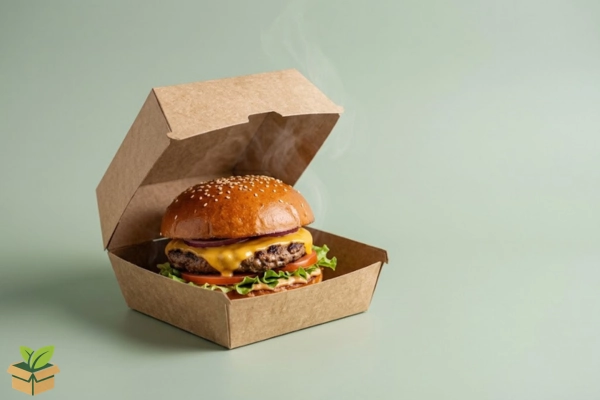
How Burger Box Packaging Affects Food Quality: The Complete Guide for Restaurants
Ever ordered a juicy burger only to find it soggy, cold, or falling apart by the time it reached you? That disappointing experience usually has less to do with the kitchen and everything to do with the burger box packaging holding it together. Understanding how burger box packaging affects food quality isn’t just a concern for packaging engineers — it’s a make-or-break factor for restaurants, cloud kitchens, and food delivery businesses across Pakistan.
From maintaining temperature to preventing grease leaks, the right burger box does more than hold your food together. It protects taste, texture, freshness, and ultimately, customer satisfaction. Let’s unpack exactly how this works and what you should look for when choosing packaging for your food business.
🍔 What Is Burger Box Packaging and Why Does It Matter?
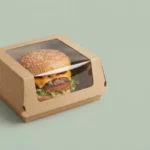
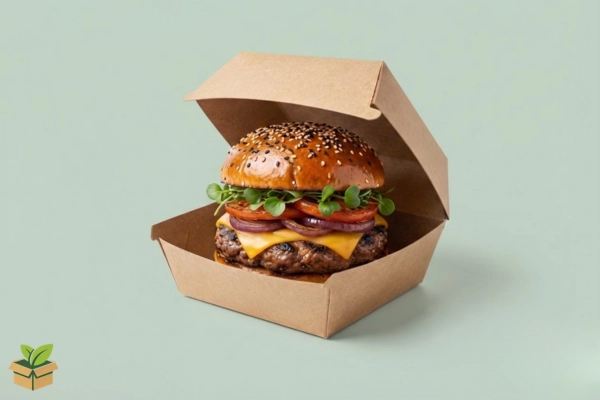
Burger box packaging refers to the specially designed containers — usually made from kraft paper, corrugated cardboard, or coated paperboard — used to hold burgers during storage, transport, and delivery.
At first glance, it might seem like a simple container. But in reality, it performs several critical jobs at once:
- Protects the burger from crushing during handling
- Retains heat so food arrives warm
- Absorbs excess grease without becoming soggy
- Controls moisture to preserve bun texture
- Represents your brand through design and printing
When any of these functions fail, food quality drops — even if the burger was perfect when it left the kitchen. This is why smart restaurant owners now treat burger box selection as seriously as their recipes.
🔍 How Burger Box Packaging Affects Food Quality
This is the heart of the matter. Let’s break down the specific ways packaging choices directly influence what customers taste and experience.
1. Temperature Retention and Insulated Burger Packaging
Nobody enjoys a lukewarm burger. Insulated burger packaging uses materials with thicker walls or double-layer construction to slow down heat loss during transit.
- Poor insulation means burgers cool faster, causing cheese to harden and buns to stiffen.
- Proper temperature retention packaging keeps meat juicy and cheese melted for longer.
- This matters most for delivery orders traveling 20-30 minutes across the city.
If your restaurant relies heavily on delivery apps, upgrading to insulated boxes can meaningfully boost customer ratings.
2. Moisture Control and Grease-Resistant Packaging
Grease and steam are a burger’s biggest enemies when it comes to packaging.
- Without grease-resistant packaging, oil seeps through the box, creating unappetizing stains and a mushy exterior.
- Without proper moisture control packaging, trapped steam turns crispy buns soggy within minutes.
- The best burger boxes strike a balance — sealing in warmth while letting excess moisture escape.
This is exactly why many fast-food chains use coated kraft paper boxes with a light wax or PE lining — it repels grease while still allowing some breathability.
3. Structural Integrity and Leak-Proof Design
A flimsy box does more damage than people realize.
- Weak packaging structural integrity causes boxes to collapse under stacking, crushing the burger inside.
- Leak-proof food containers prevent sauces and juices from leaking onto bags, other food items, or delivery bikes.
- Sturdy folds and secure locking tabs keep the burger in its original shape until it reaches the customer.
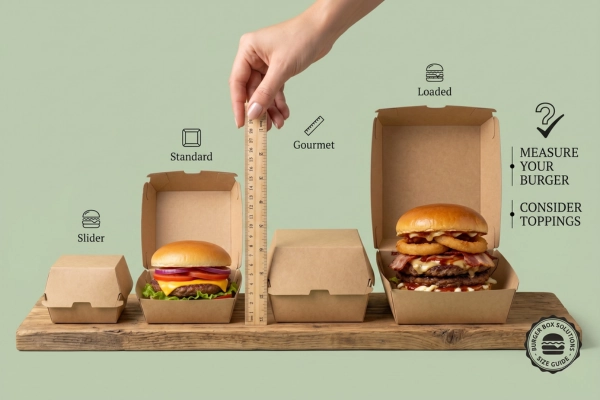
If you’re unsure what size or strength you need, this guide on how to choose the right burger box size breaks it down clearly.
4. Ventilation and Freshness Preservation
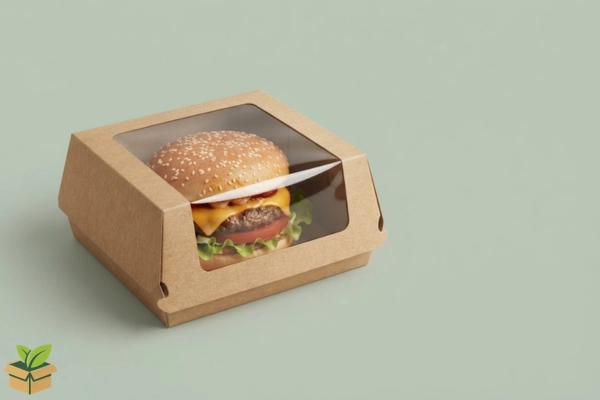
Interestingly, some packaging ventilation holes are intentional design features, not flaws.
- Small vents release trapped steam, reducing sogginess.
- This supports food freshness preservation without compromising warmth.
- It’s a delicate engineering balance — too much ventilation cools the food; too little traps moisture.
Well-designed burger boxes often include a few strategically placed vents to manage this trade-off.
📦 Burger Box Material Types Explained
Not all burger boxes are created equal. The material used directly determines how well it performs across the factors above.
| Material Type | Grease Resistance | Insulation | Eco-Friendliness | Best For |
|---|---|---|---|---|
| Kraft Paper Boxes | High | Medium | High (biodegradable) | Cafés, eco-brands |
| Corrugated Cardboard Packaging | Medium | High | Medium | Bulk orders, delivery |
| Coated Paperboard | Very High | Medium | Medium | Fast food chains |
| Foam/Plastic (Legacy) | Low | High | Low | Being phased out |
Kraft Paper Boxes
Lightweight, biodegradable, and naturally grease-resistant, Kraft paper boxes have become the go-to choice for restaurants wanting both function and sustainability.
Corrugated Cardboard Packaging
Thicker and more rigid, corrugated cardboard packaging offers superior crush resistance — ideal for stacked delivery orders or family meal boxes.
Choosing Between Styles
Many restaurant owners specifically compare finishes before deciding. If you’re weighing your options, this comparison of kraft burger box vs white burger box explains which suits different brand styles and budgets.
✅ Why Food-Grade Packaging Standards Matter
Beyond looks and function, food-grade packaging compliance is non-negotiable.
- Certified materials prevent food contamination prevention issues from chemical leaching.
- Food packaging quality standards ensure boxes are safe for direct food contact.
- Compliant packaging protects your restaurant from health code violations and reputational damage.
Always source packaging from suppliers who can confirm food-safe certification — this isn’t an area to cut corners on.
🎨 Custom Burger Boxes: Branding Meets Functionality
Packaging isn’t just protective — it’s promotional.
- Custom burger boxes with your logo, colors, and tagline turn every delivery into a branding opportunity.
- Studies consistently show that attractive packaging increases perceived food value, even before the box is opened.
- Custom printing also builds trust — customers associate professional packaging with hygiene and quality.
If you’re ready to elevate your brand presence, this resource on custom printed burger boxes for your brand walks through design options and printing techniques.
🌱 Eco-Friendly Burger Boxes: Sustainability Without Compromise
Pakistani consumers are increasingly eco-conscious, and packaging choices now influence purchasing decisions.
- Eco-friendly burger boxes made from recyclable or compostable materials reduce environmental impact.
- Biodegradable food boxes break down naturally, unlike foam alternatives that persist for decades.
- Sustainable packaging solutions also improve brand image among younger, environmentally aware customers.
Switching doesn’t mean sacrificing performance. Modern recyclable packaging materials now match — and often exceed — traditional options in insulation and grease resistance. Learn more about why this shift matters in our breakdown of eco-friendly burger boxes and why your restaurant needs them.
🛠️ Choosing the Right Burger Box Design for Your Restaurant
When selecting your packaging, consider these practical factors:
- Burger box design should match your menu — larger boxes for stacked burgers, snug fits for singles.
- Prioritize hygienic food packaging with secure closures to prevent contamination during transit.
- Balance cost with quality — cheaper materials often fail at temperature retention and odor retention.
- Test different burger box material types before committing to bulk orders.
Getting this right directly impacts consumer satisfaction and repeat business — two things every restaurant depends on.
⚠️ Common Packaging Mistakes That Hurt Food Quality
Even well-intentioned restaurants fall into these traps:
- Using undersized boxes that crush burgers during transport
- Choosing materials with poor grease absorption, leading to soggy, stained packaging
- Ignoring airtight packaging seal requirements, allowing food to cool too quickly
- Overlooking packaging cost efficiency, resulting in either overspending or false economy with low-quality boxes
These mistakes are more common than you’d think. For a deeper look at what to avoid, check out this guide on common packaging mistakes small businesses make.
🏁 Conclusion: Packaging Is Part of the Product
At the end of the day, your burger is only as good as the box it arrives in. Burger box packaging directly shapes food quality, freshness, shelf life, and consumer satisfaction — making it one of the most underrated investments a food business can make.
Whether you’re running a small burger joint or a growing fast-food chain, the right packaging strategy protects your reputation one order at a time. From fast food packaging solutions to custom burger boxes that reflect your brand identity, every detail matters.
Ready to upgrade your packaging game? Explore our full range of burger boxes — including the white zinger burger box and brown petty burger box — and give your food the protection it deserves.
❓ Frequently Asked Questions
Q1: How does burger box packaging affect food quality? Burger box packaging affects food quality by controlling temperature retention, moisture levels, and grease absorption. Poor packaging leads to soggy buns, cold food, and structural damage, while quality packaging preserves freshness and taste.
Q2: What is the best material for burger boxes? Kraft paper boxes and coated paperboard are among the best materials, offering strong grease resistance, biodegradability, and good insulation for maintaining food temperature during delivery.
Q3: Are eco-friendly burger boxes as effective as traditional ones? Yes. Modern eco-friendly burger boxes made from recyclable and biodegradable materials now match traditional packaging in insulation, grease resistance, and durability while reducing environmental impact.
Q4: Why do some burger boxes have small holes or vents? Ventilation holes release trapped steam, preventing sogginess while still retaining enough warmth to keep the burger enjoyable upon arrival.
Q5: Can custom burger box branding improve my restaurant’s sales? Absolutely. Custom printed packaging enhances brand recognition, builds customer trust, and increases the perceived value of your food — often leading to higher repeat orders.













(0) Comments