

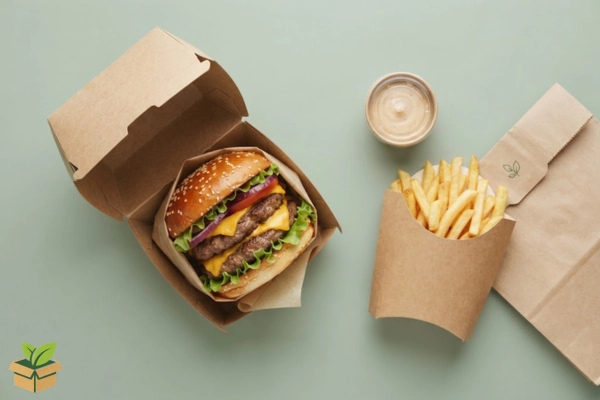
How to Package Gourmet Burgers for Delivery: The Complete Guide to Fresh, Crispy & Beautiful Burgers
If you’ve ever opened a delivery bag to find a soggy bun, squashed lettuce, and sauce smeared across the box, you already know why learning how to package gourmet burgers for delivery matters so much. A gourmet burger isn’t just fast food — it’s a carefully built stack of flavor, texture, and presentation, and every layer of that experience can be ruined in the twenty or thirty minutes it spends bouncing around in a delivery bag. For restaurant owners and cloud kitchen operators across Pakistan, packaging has quietly become just as important as the recipe itself, because customers judge the entire meal the moment they lift the lid.
The good news is that getting this right isn’t about luck — it’s about understanding a few practical principles around materials, ventilation, and structure. In this guide, we’ll walk through exactly how professional kitchens protect their burgers from steam, grease, and rough handling, while also keeping things affordable and eco-friendly.
🍔 Why Packaging Makes or Breaks Your Gourmet Burger Delivery
A burger fresh off the grill is a delicate balance of hot, melted cheese, crisp lettuce, and a soft-but-intact bun. Once it’s sealed inside a box and handed to a delivery rider, that balance starts working against you. Heat trapped inside the container turns into steam, and steam is the number one enemy of a good burger — it softens the bun, wilts the greens, and turns crispy elements limp within minutes.
This is exactly why gourmet burger packaging for delivery needs to do more than just hold the food. It has to manage temperature, control moisture, protect the shape of the burger during transit, and still look appealing when the customer opens it. Restaurants that ignore this often see a spike in complaints and refund requests, even when the food itself was cooked perfectly. In fact, studies on food delivery experience consistently show that presentation and freshness upon arrival directly influence repeat orders — sometimes more than the taste of the food itself. If you want a deeper look at this connection, our article on how packaging affects food sales in Pakistan breaks down the data in detail.
📦 Choosing the Right Burger Box for Delivery
The foundation of any good delivery setup starts with the box itself. This is where most restaurants either win or lose the battle against soggy buns and messy compartments.
Kraft Paper vs White Burger Boxes
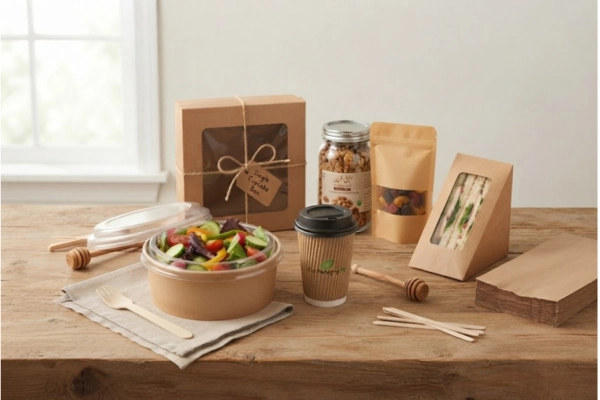
Kraft paper boxes have become the go-to choice for gourmet burger brands, and for good reason. The material is naturally grease-resistant, sturdy enough to hold its shape during transit, and gives off a premium, artisanal feel that pairs well with gourmet branding. White burger boxes, on the other hand, offer a cleaner, more corporate look and tend to be preferred by brands with a minimalist aesthetic. Both work well, but the right choice depends on your brand identity and budget. We’ve compared both options in detail in our guide on kraft burger box vs white burger box, which is worth a read before you place your next packaging order.
Getting the Size Right
An oversized box lets the burger slide around and fall apart mid-transit, while an undersized one crushes the toppings the moment the lid closes. If you’re unsure what dimensions suit your menu, our detailed breakdown on how to choose the right burger box size walks through practical sizing tips based on bun diameter and stack height.
For restaurants scaling up their delivery operations, exploring options like the white zinger burger box or brown petty burger box can help match packaging to specific burger sizes without unnecessary waste.
🌿 Eco-Friendly Materials That Keep Burgers Fresh
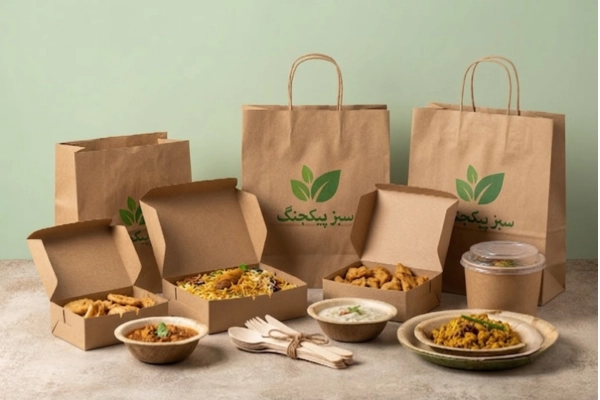
Sustainability isn’t just a marketing buzzword anymore — customers actively notice and appreciate it. Eco-friendly burger packaging typically relies on materials like kraft paper, biodegradable containers, compostable liners, and plant-based coatings instead of plastic-heavy alternatives. These materials naturally breathe better than plastic clamshells, which reduces the greenhouse effect inside the box and slows down bun sogginess.
Beyond the environmental benefits, switching to biodegradable and compostable packaging also strengthens your brand’s reputation among increasingly eco-conscious diners. If your restaurant is considering this shift, our complete guide to biodegradable food packaging in Pakistan explains exactly which materials perform best for hot, greasy foods like burgers. Similarly, our piece on why eco-friendly burger boxes are essential for your restaurant covers the business case in more depth, including cost comparisons against traditional plastic options.
🧊 Preventing Soggy Buns: The Science of Ventilation & Moisture Control
This is arguably the most important technical challenge in burger delivery packaging. When a hot burger is sealed in an airtight box, condensation forms almost immediately, and that moisture has nowhere to go except straight into the bun.
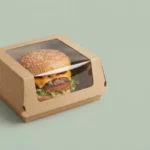
The solution lies in vented containers and smart internal design. Small ventilation holes, perforated lids, or slightly raised interior ridges allow steam to escape without letting the burger go cold too quickly. Many gourmet burger boxes now include a moisture barrier layer specifically designed to trap grease while still allowing airflow — this small design detail is often the difference between a burger that arrives crisp and one that arrives limp.
Wrapping the burger itself in grease-resistant paper before placing it in the box adds an extra layer of protection, absorbing excess oil while keeping the bun separated from direct contact with condensation on the box walls. This double-layer approach — wrap plus vented box — is standard practice among top-performing delivery kitchens and mirrors the same freshness logic we’ve detailed in our guide on how to keep sandwiches fresh during delivery, since the underlying moisture-control principles are nearly identical.
🚚 Packing for Delivery Apps: DoorDash, Uber Eats & Cloud Kitchen Realities
Third-party delivery platforms add another layer of complexity because you have zero control over how long the food sits in a rider’s bag or how it’s jostled on a motorbike. Cloud kitchens and ghost kitchens, in particular, rely entirely on packaging quality since there’s no dine-in experience to fall back on if something goes wrong.
For these setups, thermal insulation becomes non-negotiable. Insulated burger packaging — whether through double-wall boxes or thermal delivery bags used by the restaurant itself — helps maintain temperature consistency even during longer delivery windows. It’s also worth training kitchen staff on proper stacking order inside delivery bags: burgers should always sit flat, never stacked vertically, and should be positioned away from ice-cold drinks that can cause temperature shock inside sealed boxes.
Restaurants running high delivery volumes through apps like these often benefit from reviewing our broader guide on the complete food packaging landscape in Pakistan, which touches on how different delivery models require slightly different packaging strategies.
🍟 Don’t Forget the Sides: Sauces, Fries & Add-ons
A gourmet burger rarely travels alone. Fries, dips, and sauces are just as vulnerable to poor packaging, and a leaking sauce cup can ruin an otherwise perfect burger box.
Using dedicated sauce cups with secure, tamper-proof lids prevents spills entirely, and separating fries into their own vented container keeps them from turning soggy against the burger’s steam. Our detailed breakdown on why every restaurant needs a proper dip sauce cup explains how something as small as sauce packaging affects overall customer satisfaction more than most owners realize.
For the fries themselves, the packaging choice directly impacts crispiness retention. We cover this in detail in how fries packaging affects crispiness — a companion piece worth reading if fries are a regular part of your combo deals.
- Sauce cups: Always use leak-proof, snap-lock lids
- Fries: Keep in a separate vented pocket, never stacked directly on the burger
- Drinks: Position away from the burger box to avoid condensation transfer
🏷️ Branding Your Packaging for a Premium Unboxing Experience
Gourmet burgers command premium prices, and the packaging needs to visually reflect that positioning. Custom branded boxes with your restaurant’s logo, tagline, or even a short thank-you message create a memorable unboxing experience that plain, generic packaging simply can’t match.
This branding effort also builds trust — when a customer sees consistent, professional packaging, they associate it with hygiene and quality control, even before tasting the food. If you’re planning to invest in this, our guide on custom printed burger boxes for your brand walks through design options, minimum order quantities, and printing techniques that work well for kraft and white box materials alike.
🛡️ Food Safety & Tamper-Proof Considerations
Beyond freshness and branding, packaging also plays a direct role in food safety compliance. Tamper-evident seals reassure customers that their food hasn’t been touched between the kitchen and their doorstep — a concern that’s grown significantly since the rise of contactless delivery.
Food-grade materials that meet hygiene compliance standards aren’t just a legal checkbox; they protect your brand from liability issues and build long-term customer trust. Restaurants that have made poor packaging choices in the past — using non-food-grade plastics or improperly sealed containers — often see the consequences reflected in negative reviews. Our article on common packaging mistakes small businesses make is a useful read if you want to audit your current setup for these kinds of gaps.
📊 Quick Comparison: Packaging Options for Gourmet Burger Delivery
To make things easier, here’s a simple side-by-side comparison of the most common packaging choices restaurants use for gourmet burger delivery:
| Packaging Type | Best For | Freshness Retention | Eco-Friendliness |
|---|---|---|---|
| Kraft paper burger box | Artisanal, gourmet branding | High (with ventilation) | Excellent |
| White burger box | Clean, corporate presentation | Moderate to High | Good |
| Vented clamshell container | Stacked burgers with sides | High | Moderate |
| Insulated thermal box | Long-distance delivery | Very High | Moderate |
As the table shows, kraft paper options tend to strike the best balance between freshness, presentation, and sustainability — which is why they’ve become the industry standard for gourmet burger brands across Pakistan.
✅ Step-by-Step: How to Package a Gourmet Burger for Delivery
Let’s put all of this into a practical, real-world example. Imagine you’re preparing a double-patty gourmet burger with melted cheese, caramelized onions, and a brioche bun for a 25-minute delivery run.
First, wrap the assembled burger loosely in grease-resistant paper, leaving the top slightly open to allow initial steam to escape before boxing. Next, place it into a vented kraft burger box, positioning it flat with the bun facing upward to prevent toppings from shifting. If fries are included, pack them separately in a compartmentalized container or a dedicated fries pocket rather than placing them directly beside the burger. Add sauce cups with secure lids in a corner compartment or a small side pouch, and finally, seal the outer box with a tamper-evident sticker before placing everything into an insulated delivery bag for transit.
This sequence — wrap, vent, separate, seal — is the same logic used by most professional kitchens, and it consistently reduces complaints related to soggy buns or messy boxes.
🌱 Common Packaging Mistakes to Avoid
Even experienced restaurant owners fall into a few recurring traps when it comes to burger delivery packaging. Sealing burgers in completely airtight containers without any ventilation is one of the most common errors, as is using boxes that are too small, which crushes toppings and forces grease into the bun.
Another frequent mistake is skipping grease-resistant wrapping altogether, assuming the box alone will handle moisture control — it rarely does. Finally, many restaurants overlook branding entirely, missing an easy opportunity to reinforce their identity at the exact moment a customer is most engaged with their food. Avoiding these pitfalls doesn’t require a big budget; it simply requires choosing the right materials and following a consistent packing process every time.
🎯 Conclusion: Freshness, Presentation & Brand Trust Start With the Right Box
Mastering how to package gourmet burgers for delivery ultimately comes down to a few consistent principles: choose ventilated, grease-resistant materials, separate wet and dry components, insulate for longer delivery windows, and never underestimate the branding opportunity your packaging provides. These small decisions compound over time into stronger customer loyalty, fewer complaints, and a delivery experience that genuinely reflects the quality of your food.
If you’re ready to upgrade your restaurant’s packaging setup, explore our full range of burger boxes and delivery-ready packaging solutions designed specifically for Pakistani food businesses — from kraft paper options to fully custom-branded boxes that elevate your gourmet burger’s unboxing experience.
❓ Frequently Asked Questions
Q1: What is the best packaging material for gourmet burger delivery? Kraft paper is generally considered the best option because it’s naturally grease-resistant, sturdy, and biodegradable, while still allowing enough breathability to prevent bun sogginess when combined with proper ventilation.
Q2: How do I stop burgers from getting soggy during delivery? Wrap the burger in grease-resistant paper, use a vented box rather than a fully sealed one, and avoid stacking fries or sauces directly against the bun. This combination controls moisture far more effectively than sealing alone.
Q3: Are eco-friendly burger boxes more expensive than plastic packaging? Not necessarily. While upfront costs can be slightly higher for premium biodegradable materials, many kraft-based options are priced competitively with plastic, and the long-term brand and customer loyalty benefits often outweigh the difference.
Q4: Should fries and sauces be packed separately from the burger? Yes. Keeping fries and sauces in separate compartments or containers prevents cross-moisture transfer, which keeps both the burger and the sides fresher for longer during transit.
Q5: How does packaging affect customer satisfaction for delivery orders? Packaging directly shapes the first impression a customer has of their meal. Well-ventilated, secure, and visually appealing packaging reduces complaints, minimizes food damage, and reinforces trust in the brand’s overall quality standards.















(0) Comments