

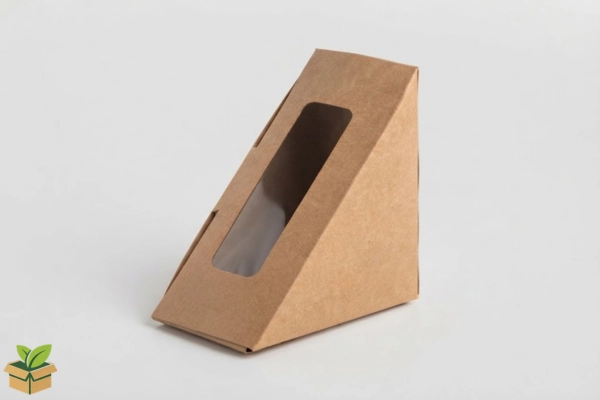
Sandwich Box Sizes: Which One Is Right for Your Menu?
Picking the wrong packaging can quietly cost a restaurant more than a bad review — and sandwich box sizes are one of the most overlooked culprits behind soggy bread, crushed fillings, and unhappy delivery customers. Whether you run a busy deli, a café known for stacked club sandwiches, or a cloud kitchen shipping wraps across the city, the box you choose directly shapes how your food looks, travels, and tastes by the time it reaches the table. This guide walks through every practical angle of sizing — from dimensions and materials to branding and sustainability — so you can match the right box to the right menu item without any guesswork.
🥪 Why Sandwich Box Sizes Matter More Than You Think
It’s tempting to treat packaging as an afterthought, something you order in bulk and forget about until it runs out. But sandwich packaging sizes play a bigger role in customer experience than most menu planners realize. A box that’s too large leaves room for fillings to shift and slide, turning a neatly built sandwich into a messy pile by the time it’s opened. A box that’s too small crushes bread, squeezes sauces out the sides, and makes for an unappetizing first impression — especially damaging for delivery orders where presentation is your only chance to make a good impression before the first bite.
Beyond aesthetics, size affects food safety and freshness. Packaging that fits snugly helps trap the right amount of steam and moisture, keeping warm sandwiches from turning cold too quickly while preventing cold sandwiches from sweating and going soggy. This is where restaurant packaging needs intersect directly with food quality — the box isn’t just a container, it’s part of the recipe’s final presentation. Getting this right also ties into smart menu-based packaging decisions, something we’ll unpack further in the sections below.
📏 Understanding Sandwich Box Dimensions
Sandwich box dimensions typically fall into three broad categories, each suited to different portion sizes and menu styles. Knowing where your signature items land on this spectrum makes ordering packaging in bulk far less stressful.
Small Sandwich Boxes
Small sandwich boxes are built for single-serve items like tea sandwiches, sliders, or half-cut deli sandwiches often sold in cafés and bakery counters. These compact boxes usually measure in a range that comfortably holds one sandwich without excess empty space, which matters because portion-size packaging reduces movement during transit and keeps costs down on a per-unit basis. They’re a favorite for lunch counters and quick-service setups where speed and minimal waste matter more than elaborate presentation.
Medium Sandwich Boxes
Medium-sized boxes are the workhorses of most sandwich shops. They accommodate a full-sized sandwich, a wrap, or even a sandwich paired with a small side like chips or a pickle spear. This size strikes the balance most menus need — spacious enough to avoid crushing the filling, yet compact enough to stack efficiently during bulk sandwich packaging for catering orders or high-volume lunch rushes.
Large Sandwich Boxes
Large sandwich boxes are designed for oversized creations — think footlong subs, stacked club sandwiches, or combo meals that include a sandwich alongside fries or a side salad. If your menu features hearty, multi-layered sandwiches or you’re bundling a meal deal, these larger dimensions give the food breathing room without letting it slide around. For restaurants offering both individual sandwiches and shareable platters, keeping a mix of small and large options on hand is often the most practical solution, and browsing through our full range of sandwich boxes makes it easy to compare sizes side by side before ordering.
🍽️ Matching Box Size to Your Menu
Choosing the best sandwich box for menu items isn’t just about the sandwich itself — it’s about how that item fits into your broader food service packaging strategy. A café serving mostly cold, pre-made sandwiches for grab-and-go sales has very different needs compared to a deli assembling hot, toasted paninis to order.
Packaging for cold sandwiches generally benefits from boxes with slight ventilation or a snug fit that limits condensation, since trapped moisture from chilled ingredients can make bread go limp surprisingly fast. Packaging for hot sandwiches, on the other hand, often needs slightly more breathing room and, ideally, materials that manage heat without steaming the bread into a soggy mess. This is one reason many kitchens keep a couple of different box styles on hand rather than relying on a single sandwich box size guide for every single item on the menu.
It’s also worth thinking about how sandwich packaging intersects with other parts of your operation. Restaurants that also serve burgers often ask similar questions when choosing the right burger box size, and the same logic applies here — match the container to the food’s structure, moisture level, and how far it needs to travel. Similarly, if fries or sides are part of your combo packaging, reviewing a dedicated fries box size guide can help you build a complete, coordinated packaging lineup across your whole menu.
🧱 Box Material & Style: Beyond Just Size
Size is only half the equation — box material for sandwiches plays an equally important role in freshness, sturdiness, and presentation. The debate between cardboard vs plastic sandwich box options usually comes down to what the menu item needs most.
Kraft cardboard boxes are breathable, biodegradable, and give off a natural, artisanal look that many cafés use to reinforce a fresh, handmade brand identity. They’re particularly well suited for sandwiches that don’t need visual display, since the closed-box design keeps contents protected during transport. Plastic or clamshell-style boxes, by contrast, often include a clear lid or window that lets customers see the product before purchase — useful for grab-and-go retail counters where visual appeal drives impulse buys.
Beyond material, box style also varies:
- Clamshell boxes — hinged, easy to open, great for quick-service and takeaway counters
- Tray-style boxes — open or semi-open, ideal for in-store display and bakery cases
- Sleeve-style boxes — slim, minimalist packaging often used for premium or artisanal sandwiches
Many restaurants are shifting toward kraft-based solutions for both sustainability and branding reasons, and it’s worth understanding why restaurants are switching to kraft food boxes if you haven’t already made the move. Sandwich box thickness matters here too — thicker board stock holds its shape better under stacking pressure, which is especially important for delivery orders that get tossed around in transit bags.
♻️ Eco-Friendly Sandwich Packaging: A Growing Priority
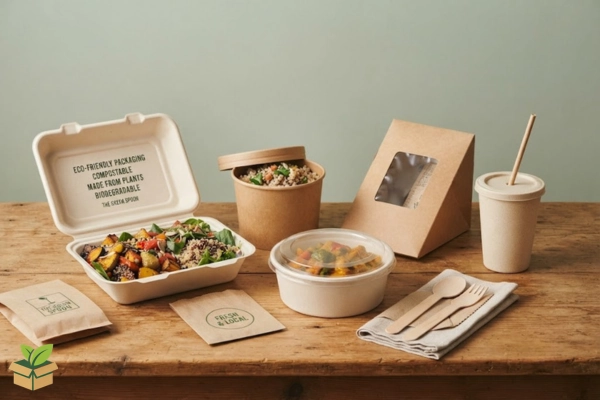
Sustainable packaging trends have moved from a “nice to have” to an expectation among customers, particularly in urban food markets where environmental awareness is rising fast. Eco-friendly sandwich packaging — typically made from recyclable kraft paper or biodegradable board — signals to customers that a brand takes food safety packaging seriously without contributing unnecessarily to plastic waste.
This shift isn’t just about optics. Many eco-friendly materials also perform better functionally, offering natural grease resistance and better airflow that helps maintain sandwich presentation over longer delivery windows. If your restaurant is exploring a broader shift toward greener operations, it’s worth reviewing options for best eco-friendly food packaging for Pakistani restaurants, since sandwich boxes are usually just one piece of a much larger packaging overhaul that can improve your brand’s reputation across the board.
💰 Cost, Branding & Practical Considerations
Packaging cost efficiency is always a balancing act between quality and budget, and sandwich boxes are no exception. Buying in bulk typically reduces per-unit costs significantly, but it only makes financial sense if the box size actually matches what’s being sold most often. Ordering a warehouse full of large boxes when 70% of your sales are single-serve sandwiches ties up capital in packaging that doesn’t move — a mistake that’s more common than most restaurant owners would like to admit.
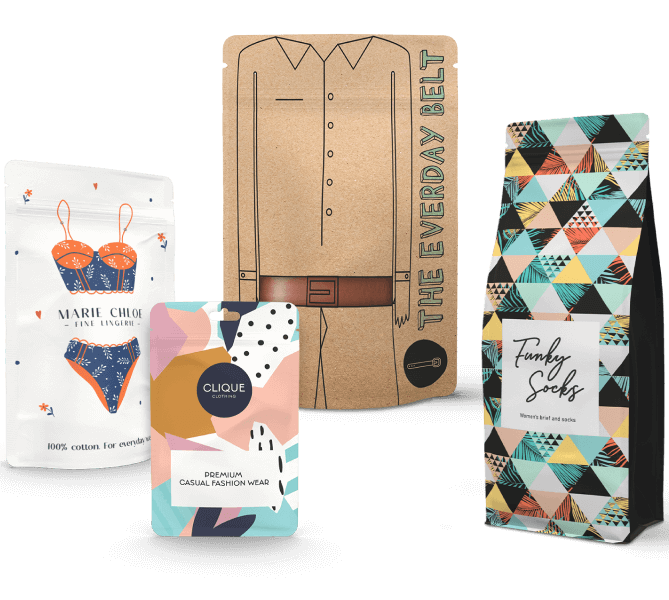
Custom sandwich boxes with printed branding have also become increasingly accessible and affordable, even for small and mid-sized food businesses. Sandwich box printing options now range from simple logo stamps to full-color wraps that turn every takeaway order into a small marketing opportunity. Branding on packaging works especially well for delivery-heavy businesses, since the box itself becomes the last touchpoint a customer sees before the unboxing experience — a detail that restaurants offering custom printed packaging for their brand have used effectively across other menu categories too.
Getting packaging sizing wrong is also one of the more common and costly missteps small food businesses make. Reviewing a breakdown of typical packaging mistakes small businesses make can help avoid over-ordering, under-ordering, or picking sizes that don’t align with actual order volume — all of which quietly eat into margins over time.
📦 Sandwich Box vs Wrap: What’s Better for Delivery?
The sandwich wrap vs box debate comes up often, particularly for businesses trying to cut packaging costs on delivery orders. Wraps are lighter, cheaper, and take up less storage space, making them appealing for tight-margin operations. However, they offer little structural protection, which means sandwiches with loose or juicy fillings tend to shift, squash, or leak during transport — a problem that becomes obvious the moment a customer opens a wrap that arrived looking nothing like the photo on the menu.
Boxes, particularly ones sized correctly for the sandwich inside, provide far better food delivery packaging performance. They hold shape, prevent sliding, and typically do a better job of retaining warmth or crispness depending on the sandwich type. For any business serious about customer convenience packaging and consistent presentation, boxes are almost always the safer bet — especially for third-party delivery orders where the food travels further and gets handled more roughly along the way. For a deeper look at protecting food quality specifically during delivery, this guide on keeping sandwiches fresh during delivery covers practical techniques worth pairing with the right box size.
✅ How to Choose the Right Sandwich Box for Your Restaurant
Bringing all these factors together, here’s a quick reference table matching common sandwich box sizes to typical menu use cases:
| Box Size | Best For | Ideal Material |
|---|---|---|
| Small | Sliders, tea sandwiches, half-cuts | Kraft cardboard |
| Medium | Full-sized sandwiches, wraps, single combos | Kraft or clamshell plastic |
| Large | Subs, stacked clubs, meal combos with sides | Reinforced kraft or clamshell |
This kind of side-by-side comparison makes it easier to align box capacity with actual menu portions rather than guessing and over-ordering one size that doesn’t fit everything well.
🎯 Final Thoughts
Choosing the right sandwich box sizes isn’t a minor operational detail — it directly shapes how customers experience your food, how efficiently your kitchen runs, and how much unnecessary cost creeps into your packaging budget. From matching dimensions to portion sizes, to selecting materials that support freshness, to leaning into sustainable packaging trends that customers increasingly expect, every decision here compounds into a stronger, more professional food service packaging strategy.
The restaurants that get this right treat packaging as part of the product, not an afterthought bolted on at the end. Take a look at our sandwich box collection to find sizes and styles that match your specific menu, and start building a packaging lineup that protects your food as well as it represents your brand.
❓ Frequently Asked Questions
What size sandwich box should I use for delivery orders? Medium to large sandwich boxes generally work best for delivery, since they offer enough structural support to prevent shifting and crushing during transport, especially over longer distances.
Are kraft sandwich boxes better than plastic ones? Kraft boxes are more eco-friendly and breathable, making them ideal for most sandwiches, while plastic clamshells work well when visual display through a window is a priority for retail counters.
How do I know if my sandwich box is too big? If the sandwich shifts noticeably when the box is tilted or the fillings visibly move around, the box is likely oversized for that particular menu item.
Can I use the same box size for hot and cold sandwiches? It’s possible, but not ideal. Hot sandwiches benefit from slightly more breathing room to manage steam, while cold sandwiches do better in a snugger fit to limit condensation.
Is custom printing worth it for sandwich boxes? Yes, especially for delivery-focused businesses. Custom printed boxes reinforce branding at the exact moment a customer opens their order, often improving perceived value at minimal extra cost.



















(0) Comments