

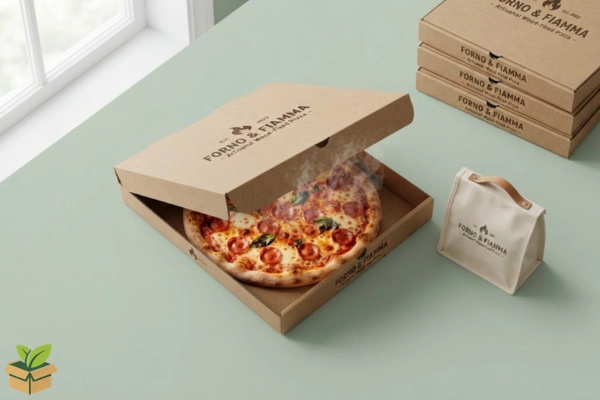
Pizza Restaurant Packaging Tips to Impress Customers: A Complete Guide
Every great pizza tells a story before the box is even opened — and that story starts with pizza restaurant packaging. In a market as competitive as Pakistan’s food delivery scene, the box your pizza arrives in says just as much about your brand as the toppings inside it. A soggy, flimsy box ruins even the best recipe, while a sturdy, well-designed one builds instant trust and makes customers want to order again. This guide walks through practical, real-world packaging strategies — from material choices to branding tricks — that help restaurant owners turn a simple cardboard box into a powerful marketing tool.
Whether you run a small neighborhood pizzeria or a growing delivery chain, the right packaging decisions can quietly boost your reputation, protect your product, and reduce costly mistakes. Let’s unpack exactly how.
🎯 Why Pizza Restaurant Packaging Deserves More Attention Than You Think
Most restaurant owners spend hours perfecting a pizza recipe but only minutes deciding on the box it ships in. That’s a missed opportunity. Packaging is the very first physical touchpoint a customer has with your brand, arriving before they’ve even lifted the lid. It shapes expectations, builds anticipation, and — whether we like it or not — influences how the food inside is judged.
Good pizza box packaging ideas go beyond aesthetics. They directly affect food temperature retention, crust texture, and even how “premium” a brand feels. A grease-stained, thin box screams cheap and careless, while a sturdy corrugated box with clean branding signals quality and attention to detail. This single decision often determines whether a customer leaves a five-star review or quietly switches to a competitor.
There’s also a practical side to this. Poor packaging leads to spills, collapsed boxes, and cold food — all of which generate complaints and refund requests. On the other hand, thoughtful pizza delivery packaging reduces damage during transit, keeps food fresher for longer, and protects your restaurant’s bottom line. If you’re still unsure where to start, this breakdown on how to choose the right pizza box size for your restaurant is a great first step.
📦 Types of Pizza Boxes: Which Material Works Best for Your Menu
Not all pizza boxes are created equal, and picking the wrong material type is one of the most common — and costly — mistakes restaurants make. Corrugated cardboard, kraft paper, and coated board each behave differently under heat, moisture, and pressure, so understanding these pizza box material types helps you match packaging to your specific menu and delivery radius.
For thin-crust or classic pizzas delivered locally, single-wall corrugated boxes usually strike the right balance between strength and cost. For deep-dish, stuffed-crust, or extra-cheesy pizzas that generate more steam and grease, a double-wall or grease-resistant lined box performs significantly better. Restaurants that specialize in family-sized orders often prefer hinged designs like the 6 corner pizza box, which offers better structural support for larger, heavier pies.
Here’s a quick comparison to help you decide:
| Box Type | Best For | Key Advantage |
|---|---|---|
| Standard Corrugated Box | Everyday delivery, thin/medium crust | Cost-effective, decent strength |
| Grease-Resistant Kraft Box | Cheesy, oily, or loaded pizzas | Prevents soggy bottoms and stains |
| 6 Corner Pizza Box | Family packs, large or deep-dish pizzas | Extra structural stability |
| Insulated Pizza Bag | Long-distance or bulk delivery | Retains heat for longer periods |
If you’re comparing structural benefits in more detail, this guide on the top 5 benefits of 6 corner pizza boxes breaks down exactly why this shape has become an industry favorite for restaurants handling high delivery volumes.
🎨 Custom Pizza Boxes for Restaurants: Turning Cardboard into Branding
Here’s something worth remembering: your pizza box travels through hallways, office desks, and living rooms — often getting photographed before a single slice is eaten. That makes custom pizza boxes for restaurants one of the most underrated (and affordable) marketing tools available. A logo, tagline, or bold color scheme transforms a plain box into a walking advertisement.
Smart branding doesn’t require an expensive redesign. Simple additions like a printed logo on the lid, a QR code linking to your social pages, or a short personalized message (“Made fresh, just for you!”) create a memorable unboxing experience. This kind of visual branding builds brand identity and encourages customers to share photos online — essentially turning every delivery into free social media exposure.
A few branding elements worth testing:
- Logo placement on the top-center of the lid for maximum visibility
- Brand color scheme matching your restaurant’s overall identity
- QR codes linking to reviews, loyalty programs, or reorder pages
- Short taglines that reinforce your brand voice and personality
If you’re exploring cost-friendly ways to add this branding, this detailed resource on custom printed pizza boxes in Pakistan covers pricing, minimum order quantities, and design options suited for restaurants of any size. Many restaurants start with a semi-custom design using customized pizza boxes before committing to a fully branded production run.
♻️ Eco-Friendly Pizza Packaging: Sustainability That Customers Notice
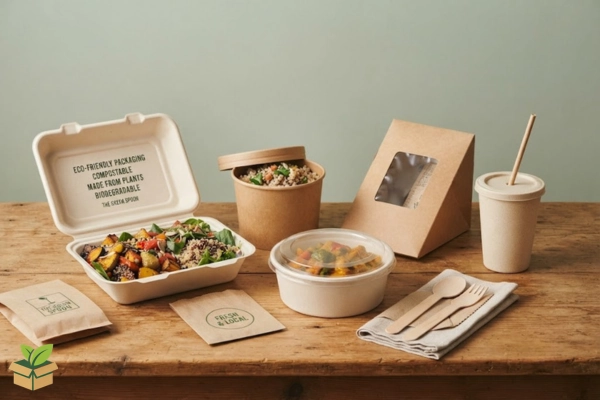
Customer expectations have shifted noticeably in recent years, and eco-friendly pizza packaging is no longer a “nice to have” — it’s becoming a genuine deciding factor for many diners, especially younger, urban customers. Choosing recyclable or biodegradable materials shows environmental responsibility while also protecting your brand from being seen as outdated or wasteful.
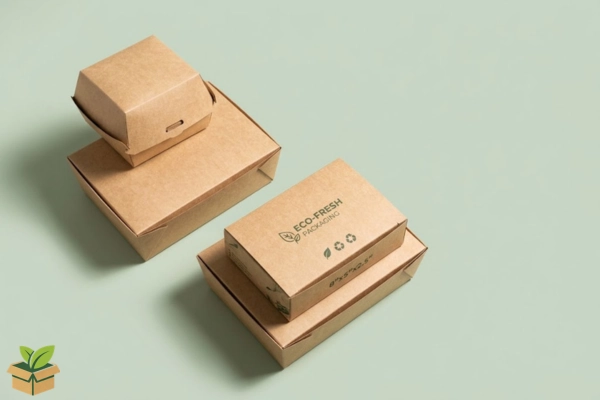
Switching to sustainable packaging options doesn’t have to be complicated or expensive. Kraft paper boxes, for instance, are naturally biodegradable, sturdy enough for most pizza types, and give off a rustic, premium feel that many customers actually associate with quality food. Compostable liners and plastic-free tape are additional small changes that add up to a much greener overall footprint.
Beyond the environmental angle, there’s a real business case here too. Restaurants that publicly commit to sustainable packaging often see stronger customer loyalty and more positive reviews mentioning “responsible” or “eco-conscious” branding. To understand this shift more broadly, take a look at why eco-friendly pizza boxes are the future of food delivery — it’s a trend that’s only accelerating across Pakistan’s restaurant industry, as also discussed in this broader look at eco-friendly packaging and why it matters.
🔥 Pizza Packaging Design Tips That Keep Every Slice Fresh and Hot
Great pizza packaging design isn’t just about looks — it’s engineered to solve a very specific problem: keeping pizza hot, crispy, and intact from kitchen to doorstep. This is where food temperature retention and moisture control become just as important as branding.
Steam is the enemy of a good crust. Without proper ventilation, trapped steam turns a crispy base into a soggy disappointment within minutes. That’s why many well-designed pizza boxes include small vent holes or micro-perforations that allow steam to escape while still retaining enough heat to keep the pizza warm. Similarly, grease-resistant coatings prevent oil from soaking through the box and staining hands, tables, or bags during transport.
For restaurants handling longer delivery distances, pairing a standard box with an insulated pizza bag can make a noticeable difference in food quality upon arrival. And for dine-in customers who want to enjoy pizza without a messy table, small accessories like a pizza table saver — a simple plastic support that keeps the box lid from collapsing into cheese — show attention to detail that customers genuinely appreciate.
A few design elements worth prioritizing:
- Ventilation holes to reduce steam buildup and sogginess
- Reinforced corners to prevent collapsing under weight
- Grease-resistant lining for cheese-heavy or oily pizzas
- Secure locking tabs instead of loose flaps that pop open during transit
⚠️ Common Pizza Packaging Mistakes That Quietly Hurt Your Brand
Even well-established restaurants fall into predictable packaging traps that slowly damage customer trust. Recognizing these restaurant packaging tips as warning signs can save you from repeated negative reviews and unnecessary reorders.
One of the most frequent mistakes is choosing box size purely based on cost rather than pizza dimensions. An oversized box lets the pizza slide around during transit, while an undersized one crushes toppings against the lid. Another common issue is skipping quality control on materials — thin, low-grade cardboard might save a few rupees per unit but often costs far more in damaged deliveries and refunds.
Overlooking small functional details also adds up. Missing ventilation, weak locking mechanisms, and inconsistent branding across different box sizes all create a disjointed, unprofessional impression. For a deeper look at these pitfalls, this guide on common packaging mistakes small businesses make is worth reviewing before your next bulk packaging order.
The good news is that most of these mistakes are easy — and inexpensive — to fix once identified, usually requiring nothing more than a better-informed supplier conversation and a slightly adjusted specification sheet.
💰 How Smart Packaging Directly Impacts Your Food Sales
It might seem like a stretch to connect a cardboard box to your monthly revenue, but the data consistently tells a different story. Packaging influences perceived food quality, customer retention, and even word-of-mouth marketing — three factors that feed directly into sales performance.
Think about it from the customer’s perspective: a pizza that arrives hot, intact, and nicely packaged feels worth the price paid. That positive first impression increases the likelihood of a repeat order and a favorable review. Conversely, a squashed box or leaking grease stains can undo the effort of an otherwise excellent product, leading to refund requests or, worse, silent customer churn where people simply stop ordering without complaint.
This connection between packaging quality and business outcomes is explored in more depth in this resource on how packaging affects food sales in Pakistan, which highlights just how measurable this impact can be for restaurants that track customer feedback closely.
🏭 Choosing the Right Pizza Packaging Solutions & Supplier
Finding dependable pizza packaging solutions ultimately comes down to partnering with a supplier who understands both cost efficiency and quality consistency. Not every vendor offers the same material grades, printing capabilities, or bulk order flexibility — and choosing the wrong one can quietly erode your margins or your reputation.
When evaluating suppliers, restaurants should look beyond just unit price. Consistency across bulk orders, turnaround time for custom printing, and willingness to provide material samples before large purchases are all signs of a trustworthy packaging partner. It’s also worth checking whether they offer a range of sizes and styles — from 6 corner pizza boxes to square pizza boxes — so you’re not forced to juggle multiple vendors for different menu items.
For restaurants just starting this evaluation process, this practical checklist on how to choose the right packaging supplier in Pakistan covers the key questions worth asking before signing any long-term contract.
✅ Final Thoughts: Make Every Pizza Box Count
Pizza restaurant packaging is far more than a functional necessity — it’s a silent brand ambassador that shapes customer perception before the first bite is even taken. From choosing sturdy, grease-resistant materials to embracing eco-friendly options and smart branding, every packaging decision either builds trust or chips away at it. Restaurants that treat packaging as a strategic investment, rather than an afterthought, consistently see stronger customer loyalty, better reviews, and fewer costly delivery mishaps.
The good news is that upgrading your packaging doesn’t require a massive overhaul overnight. Small, deliberate changes — a printed logo here, a ventilated design there, a switch to biodegradable material — add up to a noticeably more professional and memorable customer experience over time.
If you’re ready to upgrade your restaurant’s packaging strategy, explore Eco Packaging’s full range of pizza box solutions designed specifically for Pakistan’s food delivery market, or reach out for custom branding options tailored to your menu and order volume.
❓ Frequently Asked Questions
Q1: What is the best type of pizza box for hot delivery? Corrugated cardboard boxes with ventilation holes work best for hot delivery since they balance heat retention with steam release, preventing sogginess during transit.
Q2: Are eco-friendly pizza boxes more expensive than regular ones? Not necessarily. Kraft paper and biodegradable options are often comparably priced to standard corrugated boxes, especially when ordered in bulk from a reliable supplier.
Q3: How can custom pizza boxes help small restaurants grow? Custom branding turns every delivery into a marketing opportunity, increasing brand recall and encouraging customers to share photos on social media, which drives organic word-of-mouth growth.
Q4: What size pizza box should I use for a family-sized pizza? Family-sized pizzas typically require 14–16 inch boxes, with 6 corner pizza boxes offering extra structural support for heavier, loaded pies.
Q5: How does packaging quality affect customer reviews? Damaged, soggy, or poorly sealed packaging is one of the most common reasons for negative reviews, even when the food itself meets quality standards.
















(0) Comments