

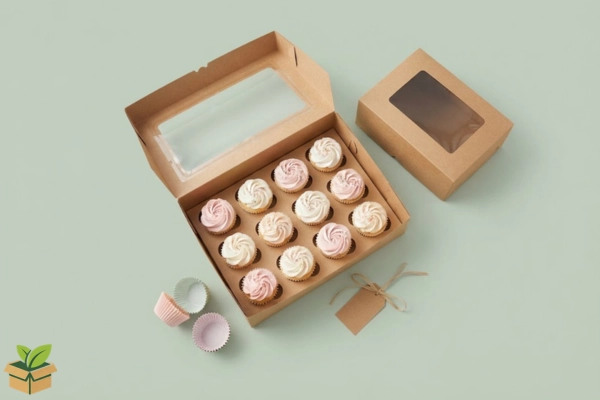
🧁 Cupcake Box Guide: How Many Cavities Do You Need?
If you have ever stood in front of a stack of empty boxes wondering which one actually fits your order, you are not alone. This cupcake box guide exists precisely for that moment — when you need to know, quickly and confidently, how many cavities your box should have so your cupcakes arrive intact, look presentable, and do not shift around during transport. Whether you are packing a dozen for a birthday party or fifty for a corporate event, the right cavity count changes everything about how your bakery product is perceived the second the lid comes off.
Packaging might seem like a small detail compared to baking the perfect vanilla sponge or piping flawless buttercream swirls, but it is often the first thing a customer notices. A box with too few cavities for too many cupcakes means squished frosting and disappointed clients. A box with too many empty slots looks careless and wastes money on unnecessary material. Getting this right is not just about aesthetics — it directly affects your bakery’s reputation and repeat business.
🍰 Why Cupcake Box Cavities Matter More Than You Think
At first glance, a cupcake box cavity seems like a simple design feature — just a hole that holds a cupcake in place. In practice, it is doing a lot of quiet, important work. Each cavity keeps individual cupcakes separated so frosting does not smear against the one next to it, prevents cupcakes from tipping over during delivery bumps, and creates that neat, gallery-like presentation customers expect when they open the box.
Bakeries that skip proper cavity trays and simply stack cupcakes loosely inside a plain box often see damaged deliveries, especially in Pakistan’s hot weather where buttercream softens quickly and needs extra stability. This is why most professional bakery boxes and used-based packaging include an insert tray with cavities molded directly into the base or as a removable divider. If you want to see how this concept extends beyond cupcakes, the same cavity-based logic is used in cavity-based chocolate boxes, where each piece needs its own protected compartment to avoid melting or shifting.
📦 Cupcake Box Sizes Explained: From Single to Family Packs
Understanding cupcake box sizes is the foundation of choosing the right cavity count. Boxes are generally built around standard cupcake diameters (roughly 2 to 2.5 inches for regular cupcakes, larger for jumbo, and smaller for mini versions), and the cavity spacing is designed around that standard so frosting on top does not touch the lid.
Here is a quick breakdown of common cupcake box sizes and where they fit best:
| Cavity Count | Best For | Typical Use Case |
|---|---|---|
| 1–2 cavities | Individual gifting, samples | Single-serve treats, favors |
| 3–6 cavities | Small orders, family packs | Home deliveries, small parties |
| 9–12 cavities | Standard orders | Birthdays, office treats |
| 24+ cavities | Bulk orders | Events, weddings, corporate gifting |
A box that matches its cavity count to the actual order size avoids two common problems: cupcakes rattling around in an oversized box, or frosting getting crushed in an undersized one. If you are just starting out and unsure which sizes to stock first, our article on bakery packaging ideas walks through how small bakeries typically build their initial packaging inventory.
🔢 How Many Cavities Do You Need? Breaking It Down by Order Size
This is really the heart of the matter, so let’s go through it order size by order size, because the right answer changes depending on what you are actually packing.
Small Orders (1–6 Cupcakes)
For gifting a single cupcake or packing a small treat box, a single cupcake box with window and handle works beautifully — it looks premium, is easy to carry, and protects one cupcake perfectly without wasted space. When the order grows to a handful, a 6 cavity cupcake box is the sweet spot most home bakers reach for constantly. It is compact, affordable, and versatile enough for everything from a small family celebration to a quick café takeaway order.
Medium Orders (9–12 Cupcakes)
Once you are packing for a birthday party or an office celebration, a 12 cavity cupcake box becomes the practical standard. These boxes usually come with a display window so customers can see the decoration before opening, which noticeably increases perceived value. If you prefer a more display-focused presentation, a clear-lid design works well too, giving that bakery-counter look right in the delivery box.
Bulk Orders (24+ Cupcakes)
For weddings, corporate events, or large celebrations, a 24 cavity cupcake box (or multiples of smaller boxes stacked together) becomes far more practical than trying to force everything into one oversized container. Many bakeries actually prefer using multiple 12-cavity boxes instead of a single giant 24-cavity one, since smaller boxes are easier to carry, stack, and transport without risking a full tray of damage if one box gets mishandled. This is a small but important insight that separates experienced bakery operations from newer ones still figuring out logistics.
🪟 Cupcake Box With Window vs Without: Which One Wins?
A recurring question bakers ask is whether a cupcake box with a window is worth the slightly higher cost compared to a plain, fully enclosed box. The honest answer depends on your sales channel. If cupcakes are being sold in-store or delivered directly to a customer who will open them immediately, a window box adds real value — it builds anticipation and shows off the decoration without the customer needing to open the lid, which matters a lot for social sharing and unboxing photos that indirectly market your bakery.
However, if cupcakes are traveling long distances, sitting in direct sun during a hot afternoon delivery, or being shipped through a courier, a fully enclosed box without a window sometimes offers slightly better insulation and protection from light and heat, which can affect frosting stability. Many bakeries end up stocking both types and choosing based on the specific order rather than committing to one style permanently.
🚚 Cupcake Carrier Box: Delivery-Ready Packaging That Protects Every Bite
If your bakery does regular home deliveries, a standard cupcake box alone often is not enough — this is where a cupcake carrier box earns its place in your packaging lineup. Carrier-style boxes typically include a locking mechanism, reinforced base, and sometimes a built-in handle, making them significantly more stable during bike or car delivery compared to a simple flat-lid box.
The difference becomes obvious the moment a delivery rider takes a sharp turn or the box gets placed on an uneven surface. A well-designed carrier box keeps cupcakes locked in their cavities regardless of movement, while a basic box can let cupcakes slide and collide. This single packaging choice has a measurable impact on customer satisfaction, something we cover in more depth in our piece on how packaging affects food sales in Pakistan’s competitive bakery market.
🧺 Mini, Standard, or Jumbo: Matching Box Type to Cupcake Size
Not all cupcakes are created equal, and this is where a lot of bakers accidentally order the wrong packaging. A mini cupcake box is built around smaller cavity diameters, typically for bite-sized cupcakes served at events or dessert tables, and using a standard-size box for mini cupcakes leaves too much empty space, causing them to slide and lean sideways.
On the other end, jumbo cupcakes need wider cavities and often taller lids to accommodate generous frosting swirls without squashing them. Before placing a bulk packaging order, it is worth measuring your actual cupcake diameter and height with frosting included, then matching that measurement against the cavity dimensions listed on the product page rather than assuming “standard” fits everything. This single step prevents a surprising number of packaging returns and customer complaints.
🌿 Material Matters: Kraft vs Plastic Cupcake Boxes
The cavity count is only half the equation — the material of the box and its insert tray plays an equally important role in how well your cupcakes travel and how your brand is perceived. Kraft cupcake boxes have become increasingly popular across Pakistan’s bakery scene because they offer a natural, premium aesthetic while being biodegradable, which appeals strongly to environmentally conscious customers. A kraft single cupcake box with a window, for instance, gives that rustic-yet-elegant look many boutique bakeries are going for right now.
Plastic-based cupcake boxes and clear-lid trays, on the other hand, offer better visibility and slightly more rigidity, which can be useful for stacking multiple boxes during large event setups. Neither material is universally “better” — the right choice depends on your brand positioning and how much emphasis your customers place on sustainability. If eco-conscious packaging is part of your bakery’s identity, our detailed guide on eco-friendly packaging explains why more Pakistani food businesses are making this switch and how it affects customer trust.
✅ How to Choose the Right Cupcake Box for Your Bakery
Bringing everything together, here is a short, practical checklist worth running through before every bulk packaging order:
- Match cavity count to actual order size, not just what looks convenient on the shelf
- Measure cupcake diameter and height with frosting before ordering mini or jumbo boxes
- Choose window boxes for immediate local delivery, enclosed boxes for longer transit
- Prefer carrier-style boxes with locking lids for bike or courier delivery
- Consider kraft material if sustainability is part of your brand story
Skipping this kind of quick check is exactly how many small bakeries end up with packaging mismatches, a mistake we break down further in our article on common packaging mistakes that small businesses tend to repeat.
💡 Practical Example: Planning Boxes for a 50-Cupcake Order
Let’s put this into a real scenario. Imagine a customer orders 50 cupcakes for a birthday event. Instead of hunting for a single oversized box, most experienced bakers would split this into four 12-cavity boxes and one 2-cavity box, or alternatively use four boxes of 12 cavities each with slight overage room. This approach makes transport far easier for the delivery rider, reduces the risk of losing an entire order to one dropped box, and lets the venue staff distribute boxes across tables neatly rather than unpacking one giant container in front of guests.
This kind of planning — breaking large orders into manageable, protective units rather than forcing everything into the fewest boxes possible — is often the difference between a delivery that arrives picture-perfect and one that arrives with visible frosting damage.
🎯 Final Thoughts
Choosing the right cupcake box ultimately comes down to a simple principle: match the cavities to the cupcakes, not the other way around. Whether you are packing a single gift cupcake, a dozen for a birthday, or fifty for a wedding, taking a few extra minutes to think through cavity count, box material, and delivery conditions pays off in customer satisfaction and repeat orders. Packaging is not an afterthought in the bakery business — it is part of the product experience itself.
If you are ready to stock up on the right sizes for your bakery, explore our full range of cupcake boxes to find cavity counts and materials that match exactly what your orders need — from single-serve window boxes to bulk 12-cavity carriers built for reliable delivery.
❓ Frequently Asked Questions
Q1: How many cavities should a standard cupcake box have? Most standard bakery orders are best served by 6 or 12 cavity boxes, depending on whether it is a small family order or a full party order.
Q2: What is the difference between a cupcake box and a cupcake carrier box? A standard cupcake box is designed mainly for presentation and short-distance handling, while a carrier box includes reinforced locking features specifically built for delivery and transport stability.
Q3: Do mini cupcakes need a different box than standard cupcakes? Yes, mini cupcakes require boxes with smaller cavity diameters; using a standard-size box leaves too much space and causes cupcakes to shift during transport.
Q4: Is a window cupcake box better than a plain enclosed box? Window boxes are excellent for local delivery and in-store display since they showcase the decoration, while enclosed boxes offer slightly better protection during long-distance or hot-weather transport.
Q5: What material is best for cupcake boxes — kraft or plastic? Kraft boxes offer a natural, eco-friendly aesthetic popular with sustainability-focused bakeries, while plastic or clear-lid boxes provide better visibility and rigidity for large event stacking.


















(0) Comments