

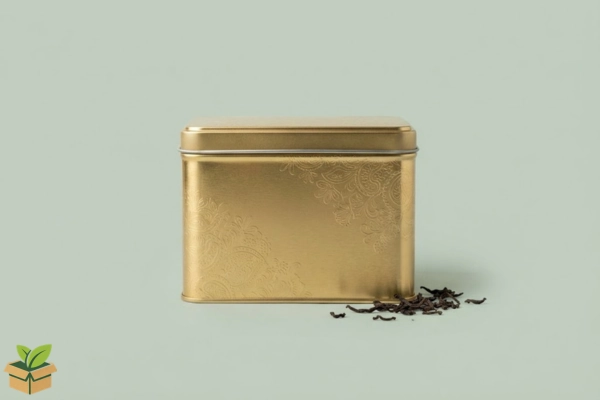
☕ Tin Box for Tea Packaging in Pakistan: The Smart Way to Keep Chai Fresh and Brands Unforgettable
If you’ve ever opened a pack of chai that smelled stale before you even brewed it, you already understand why packaging matters as much as the tea leaves themselves. A tin box for tea packaging in Pakistan has quietly become one of the most trusted solutions for brands and households who refuse to compromise on freshness, aroma, and presentation. In a country where tea isn’t just a drink but a daily ritual, the container holding those precious leaves plays a bigger role than most people realize.
Pakistan’s tea culture runs deep — from the dense, milky chai served in roadside dhabas to the delicately packaged premium blends sold in upscale grocery stores. Every version of that experience depends on one invisible hero: proper packaging. Cardboard boxes tear, plastic pouches let in moisture, and paper bags simply can’t compete with the protective seal that metal offers. This is exactly where tin boxes step in, offering a combination of durability, elegance, and functionality that other materials struggle to match.
In this guide, we’ll walk through everything you need to know about tin packaging for tea — from why it works so well, to design options, pricing factors, and how to choose the right manufacturer in Pakistan. By the end, you’ll have a clear, practical understanding of why so many tea brands are making the switch to metal tins.
🛡️ Why Tin Boxes Are the Preferred Choice for Tea Packaging
Tea is sensitive. It absorbs moisture, odors, and light far more easily than most products realize, which means poor packaging can ruin an entire batch within weeks. A well-made metal tin box for tea solves this problem through its airtight structure, which locks out humidity and keeps external smells from contaminating the leaves. Unlike plastic, which can react with the natural oils in tea and alter its taste, tin remains completely neutral — preserving the authentic flavor exactly as intended.
There’s also a practical side to this that often gets overlooked: reusability. Once a customer finishes their tea, that tin box doesn’t end up in the trash immediately. Many households repurpose it to store spices, dry fruits, or small household items, which means your brand stays visible in their kitchen long after the product itself is gone. This kind of lingering brand presence is something cardboard or pouch packaging simply cannot offer.
For businesses specifically, tin packaging solves a logistics headache too. Tea leaves are fragile and can crush easily during transport, but a sturdy metal container protects the product from compression damage, rough handling, or accidental drops. If you’re curious about how these containers perform under pressure, our detailed breakdown on how tin boxes protect food products explains the science behind their durability in much more depth.
📦 Round vs Rectangular: Choosing the Right Tin Box Shape
One of the first decisions a tea brand faces is shape. This isn’t just a cosmetic choice — it actually affects shelf presentation, stacking efficiency, and even perceived product value. Round tins tend to feel more traditional and premium, often associated with gift-worthy tea blends, while rectangular tins are more space-efficient for retail shelving and bulk storage.
Here’s a quick comparison to help you decide which works best for your tea packaging needs:
| Feature | Round Tin Box | Rectangular Tin Box |
|---|---|---|
| Shelf Appeal | Classic, premium look | Modern, structured look |
| Space Efficiency | Moderate (gaps when stacked) | High (stacks tightly) |
| Common Use Case | Gift tea sets, loose leaf tea | Retail shelves, bulk tea packs |
| Printing Surface | Curved — needs wraparound design | Flat — easier for detailed graphics |
| Market Preference in Pakistan | Popular for premium chai brands | Popular for export & wholesale tea |
If you’re still unsure which direction suits your brand identity, our in-depth comparison on round tin boxes vs rectangle tin boxes in Pakistan breaks down the pros and cons even further, including cost differences and printing considerations.
Beyond shape, size matters just as much. A boutique tea brand selling 50-gram specialty blends has very different packaging needs compared to a wholesale supplier moving 2-kilogram bulk tins to hotels and restaurants. Thankfully, most manufacturers in Pakistan offer flexible sizing, so you’re not locked into a single format regardless of your business scale.
🎨 Custom Printing and Branding on Tin Tea Boxes
Here’s something worth remembering: in a crowded tea market, packaging is often the first — and sometimes only — chance you get to make an impression before a customer even tastes your product. A plain, generic container communicates nothing. A custom tin box for tea packaging with your logo, color palette, and brand story printed directly onto the metal tells customers immediately that this product is worth trusting.
Custom printing on tin isn’t just about slapping a logo on the lid. Modern printing techniques allow for vibrant colors, embossed textures, matte or glossy finishes, and even culturally resonant designs that speak directly to Pakistani consumers — think intricate patterns inspired by traditional chai culture, or minimalist modern branding for export-focused tea companies. The flexibility here is honestly one of tin’s biggest advantages over paper-based packaging, which tends to look flat and lose vibrancy over time.
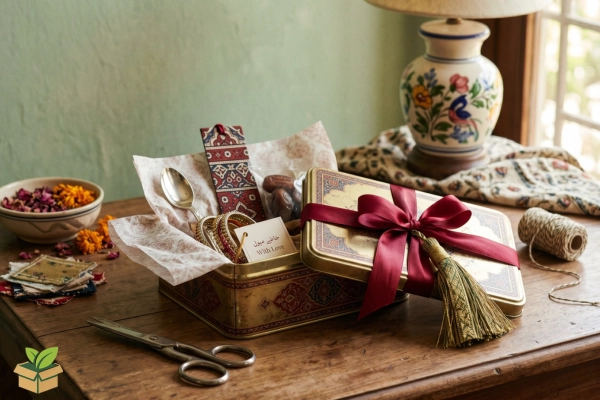
If you’re building or refreshing your brand identity, it’s worth exploring our guide on custom printed tin boxes for your brand, which covers printing techniques, minimum order quantities, and design tips specifically tailored for Pakistani manufacturers. Many businesses also use tin boxes for seasonal gifting — a strategy covered thoroughly in our piece on tin boxes for gift packaging in Pakistan, which is especially relevant during Eid, wedding season, or corporate gifting periods when premium tea tins make excellent presents.
💰 Understanding Tin Box Pricing in Pakistan
Cost is naturally one of the biggest factors influencing packaging decisions, and tin box pricing in Pakistan varies based on several elements working together rather than any single factor alone. The thickness of the tin sheet, the complexity of printing, the size of the order, and whether you’re sourcing locally or importing all play a role in the final price per unit.
Generally speaking, local manufacturing tends to be more cost-effective for small to mid-sized orders, since it eliminates shipping delays and import duties. Imported tins, often from China, can offer slightly more refined finishing but usually require larger minimum order quantities to make the cost worthwhile. For most Pakistani tea brands — especially startups and mid-sized businesses — local tin box manufacturers in cities like Karachi and Lahore offer the best balance of quality, speed, and affordability.
A few practical cost-driving factors worth knowing:
- Sheet thickness — thicker tin costs more but offers better protection and a sturdier feel.
- Printing complexity — multi-color designs and embossing increase per-unit cost compared to simple single-color printing.
- Order volume — bulk orders significantly reduce the price per piece, making wholesale purchasing far more economical.
For a transparent breakdown of current market rates, our dedicated resource on tin box wholesale price in Pakistan walks through pricing tiers based on size and order quantity, which can help you budget more accurately before approaching suppliers.
🏭 Finding the Right Tin Box Manufacturer in Pakistan
Not every manufacturer is built equally, and this is one area where cutting corners tends to backfire quickly. A reliable tin box manufacturer in Pakistan should offer food-grade materials, consistent quality control, and the flexibility to accommodate custom sizes or printing requirements without excessive lead times. Karachi and Lahore remain the two biggest hubs for tin packaging production, largely due to established supply chains and access to raw tin sheets.
When evaluating a potential supplier, it helps to ask a few direct questions: Do they use food-grade coated tin that’s safe for direct contact with tea leaves? Can they provide samples before committing to a bulk order? What’s their typical turnaround time for custom printed designs? These questions might seem basic, but skipping them is exactly how businesses end up with inconsistent batches or packaging that doesn’t match their original design mockups.
It’s also worth checking whether your chosen supplier handles airtight sealing properly, since this single feature determines whether your tea stays fresh for months or starts losing aroma within weeks. For a broader checklist on vetting any packaging partner — not just for tea — our guide on how to choose the right packaging supplier in Pakistan offers a practical framework that applies directly to tin box sourcing as well.
🌿 Tin Boxes vs Plastic and Aluminum: Which Wins for Tea?
This comparison comes up constantly, and for good reason — packaging material directly affects both product quality and brand perception. Plastic packaging is cheaper upfront, but it’s far less effective at blocking light and moisture, which are two of tea’s biggest enemies. Over time, plastic containers can also develop a faint chemical smell that transfers into the tea itself, something no tea drinker wants to experience.
Aluminum, while lightweight and decent at blocking light, tends to dent easily and doesn’t offer the same premium tactile feel that tin provides. Tin, by contrast, strikes a near-perfect balance: it’s sturdy enough to resist dents, heavy enough to feel premium in hand, and completely neutral in terms of smell or chemical interaction with food products.
There’s also a sustainability angle worth mentioning, since this aligns closely with the growing shift toward eco-friendly packaging across Pakistan’s food and beverage industry. Tin is fully recyclable and far more likely to be reused by consumers compared to single-use plastic pouches, which almost always end up discarded after one use. For brands trying to position themselves as environmentally conscious, this reusability factor becomes a genuine selling point rather than just a marketing claim.
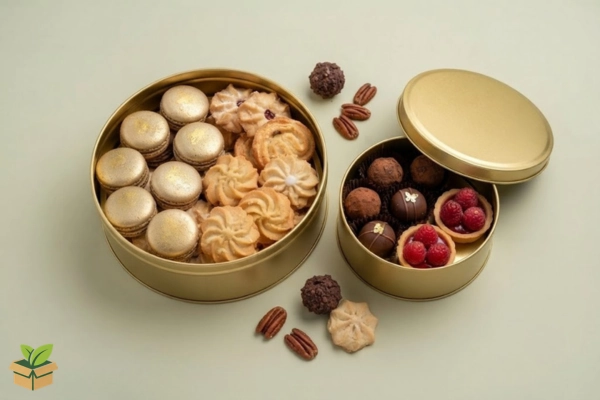
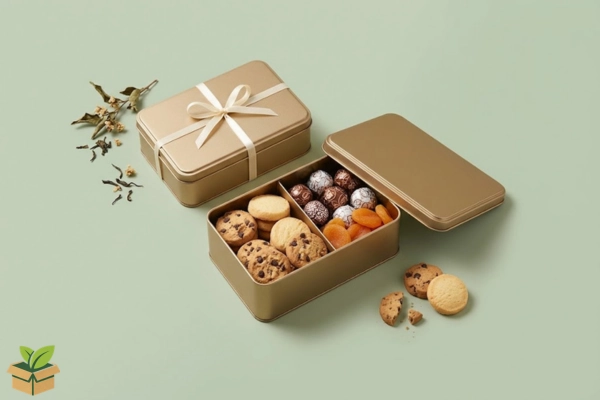
Interestingly, tin’s protective qualities aren’t exclusive to tea. The same airtight, moisture-resistant structure makes it equally effective for other delicate products, as explored in our guide on tin box packaging for cookies, which shares several overlapping principles with tea preservation.
📈 Where Tin Tea Packaging Is Heading in Pakistan
The packaging industry in Pakistan isn’t standing still, and tin boxes are increasingly becoming part of a broader shift toward premium, sustainable, and visually distinctive packaging across multiple product categories. Tea brands that once relied solely on simple poly bags are now investing in tin containers specifically because consumers associate metal packaging with higher quality and better care in production.
This shift mirrors patterns seen across other packaging sectors in the country, where businesses are rethinking materials to match evolving consumer expectations. Our broader analysis of packaging trends in Pakistan highlights how material choices are increasingly tied to brand trust, not just functional protection — a pattern that applies directly to the tea industry’s growing preference for tin.
For businesses ready to explore options directly, browsing available round tin boxes and rectangular tin boxes gives a practical starting point for comparing sizes and finishes before placing a custom order. Many brands start small — testing a single size like the 500-gram golden rounded tin box — before scaling into bulk production once customer response confirms the packaging resonates with their market.
❓ Frequently Asked Questions
Q1: Why is tin box packaging better than plastic for tea? Tin offers superior protection against moisture, light, and odor transfer, which plastic cannot match. It also preserves tea’s natural flavor without any chemical interaction, something plastic occasionally causes over extended storage periods.
Q2: What is the average cost of a tin box for tea packaging in Pakistan? Pricing depends on size, sheet thickness, and printing complexity, but local manufacturers typically offer more competitive rates for small to mid-sized orders compared to imported options.
Q3: Can I get custom printed tin boxes with my brand logo? Yes, most manufacturers in Pakistan offer custom printing services, including multi-color designs, embossing, and matte or glossy finishes tailored to your brand identity.
Q4: Are tin boxes food-grade safe for tea leaves? Reputable manufacturers use food-grade coated tin specifically designed for direct contact with consumable products, ensuring complete safety for tea storage.
Q5: What is the minimum order quantity for custom tin tea boxes? MOQs vary by supplier and design complexity, but many manufacturers accommodate smaller businesses with flexible minimums, especially for simpler single-color printing.
Q6: How long does tea stay fresh in a tin box? When properly sealed, tea stored in a quality airtight tin box can retain its aroma and flavor for several months longer than tea stored in standard plastic or paper packaging.
🚀 Final Thoughts: Package Your Tea the Right Way
Choosing the right packaging isn’t a small decision — it directly shapes how customers perceive your product before they’ve even tasted it. A well-designed tin box for tea packaging in Pakistan does more than just hold tea leaves; it protects freshness, elevates brand image, and creates a lasting impression that cheaper alternatives simply cannot replicate. Whether you’re a small tea brand just starting out or an established business looking to upgrade your packaging strategy, tin remains one of the smartest, most reliable choices available in today’s market.
If you’re ready to explore custom sizes, printing options, or wholesale pricing, browse our complete tin box collection or visit our shop to request samples and get a personalized quote for your tea packaging needs.















(0) Comments