
Packaging Trends in Pakistan: The Complete Guide to Smart & Sustainable Packaging
Packaging trends in Pakistan are shaping up to be some of the most transformative shifts the local industry has seen, driven by a mix of environmental urgency, digital retail growth, and changing consumer expectations. What used to be a purely functional decision — how to wrap or box a product — has now become a strategic brand choice that influences everything from customer loyalty to shelf appeal. Whether you run a bakery in Lahore, an FMCG brand in Karachi, or an e-commerce store shipping across the country, the way you package your product says as much about your business as the product itself. In this guide, we’ll walk through the trends reshaping the packaging industry Pakistan, why sustainability has moved from “nice-to-have” to “non-negotiable,” and how you can position your brand to stay ahead of the curve.
🌱 Why Sustainable Packaging Pakistan Has Become a Business Priority
For years, packaging in Pakistan was treated as an afterthought — a cost center rather than a value driver. That mindset has flipped almost entirely. Rising awareness around plastic pollution, tighter environmental policies, and a new generation of eco-conscious consumers have pushed businesses to rethink their materials and design choices from the ground up.
Government-level conversations around a single-use plastic ban Pakistan-wide, combined with growing pressure from international buyers who demand eco-friendly packaging Pakistan certifications, have made sustainability a genuine competitive advantage rather than a marketing gimmick. If you’re curious how this shift started, our earlier piece on how eco packaging is growing in Pakistan breaks down the timeline in detail.
What makes the current moment different is scale. It’s no longer just large exporters adopting green practices — small bakeries, cafes, and home-based food businesses are switching too, largely because sustainable materials have become more affordable and accessible than ever before. For a broader look at why this matters beyond just optics, what is eco-friendly packaging and why it matters in Pakistan is a great starting point.
📦 Top Packaging Trends in Pakistan You Need to Know
Let’s break down the specific shifts defining the packaging trends landscape, section by section, so you can see exactly where the industry — and your competitors — are heading.
🌿 Biodegradable Packaging Pakistan Takes the Spotlight
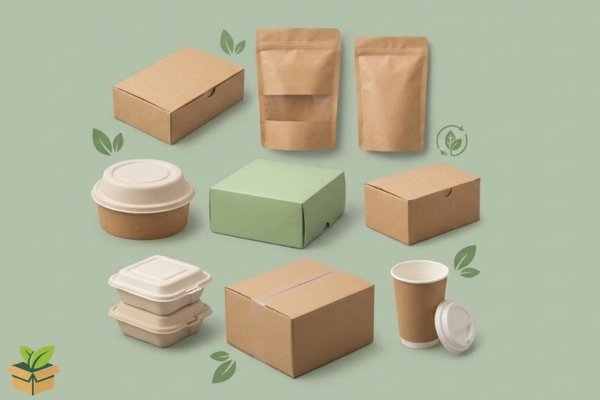
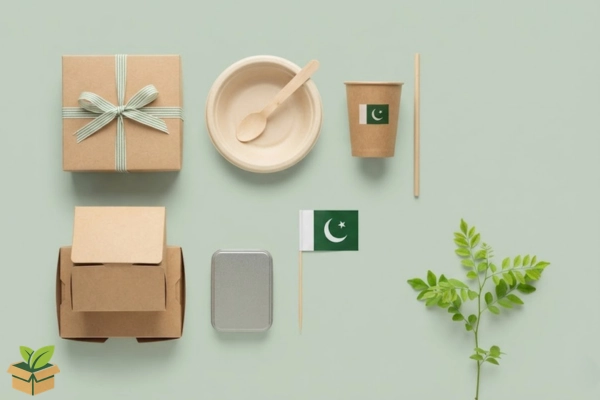
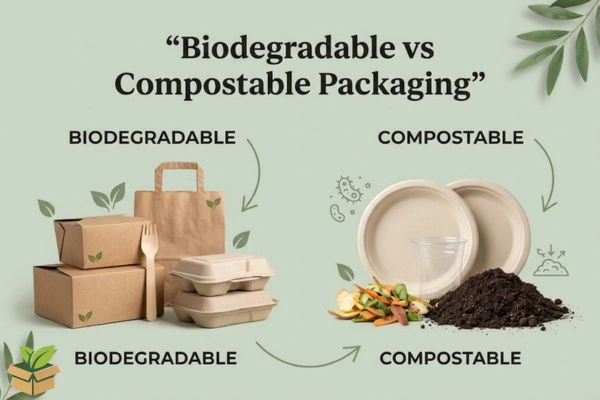
Biodegradable and compostable materials have moved from niche to mainstream. Kraft paper, cornstarch-based containers, and plant-fiber trays are now standard requests from restaurants and retailers who want to reduce their carbon footprint without compromising on durability. Businesses exploring this shift often start with our biodegradable food packaging Pakistan complete guide, which explains which materials work best for wet, oily, or frozen food items.
Interestingly, this trend isn’t limited to food. Even personal care and gifting segments are adopting biodegradable alternatives — a great example being natural loofah products, which have replaced plastic scrubbers in many local bath and skincare brands.
🤖 Smart Packaging Technology Enters the Local Market
Smart packaging — think QR codes linking to freshness data, tamper-evident seals, and NFC-enabled labels — is slowly making its way into Pakistan’s FMCG and pharmaceutical sectors. While still emerging compared to more mature markets, brands are experimenting with these features to build consumer trust, especially around product authenticity and traceability. This ties directly into packaging automation technology, which is helping manufacturers scale smart features without inflating costs.
🛒 E-commerce Packaging Trends: Built for Speed and Protection
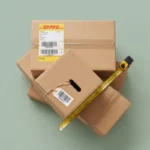
Pakistan’s online retail boom continues to fuel demand for sturdier, better-designed shipping materials. Sellers are prioritizing boxes that reduce damage during transit while also cutting down on excess material. If you’re shipping products regularly, our guide on how to choose the right box size for e-commerce shipping and our dedicated e-commerce boxes collection are worth a look before your next bulk order.
Beyond size and strength, minimalist branding on shipping boxes — clean logos, simple typography, less printed clutter — is now the preferred look for online-first brands trying to appear premium without inflating costs.
🍽️ Food and Bakery Packaging Innovation
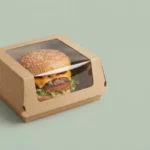
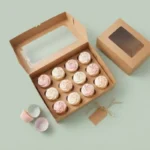
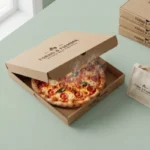
The food and bakery segment remains one of the most dynamic areas in food packaging trends Pakistan. Grease-resistant kraft boxes, window-display cupcake boxes, and insulated coffee cups are seeing massive adoption as cafes and bakeries compete on presentation as much as taste. Our post on bakery packaging ideas for small businesses covers practical, budget-friendly options for growing brands, while the bakery packaging category showcases ready-to-order options across cake boxes, cupcake boxes, and brownie packaging.
💧 Flexible Packaging Market Pakistan Expands Rapidly
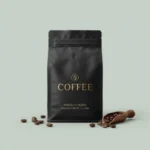
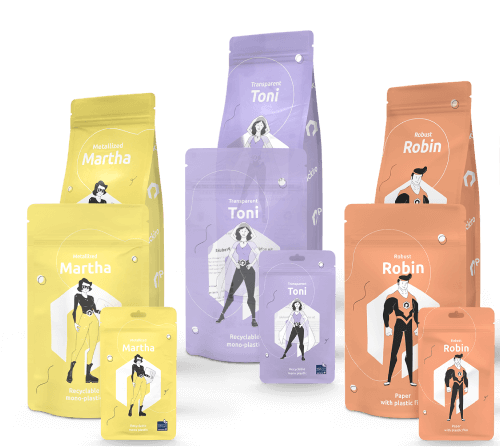
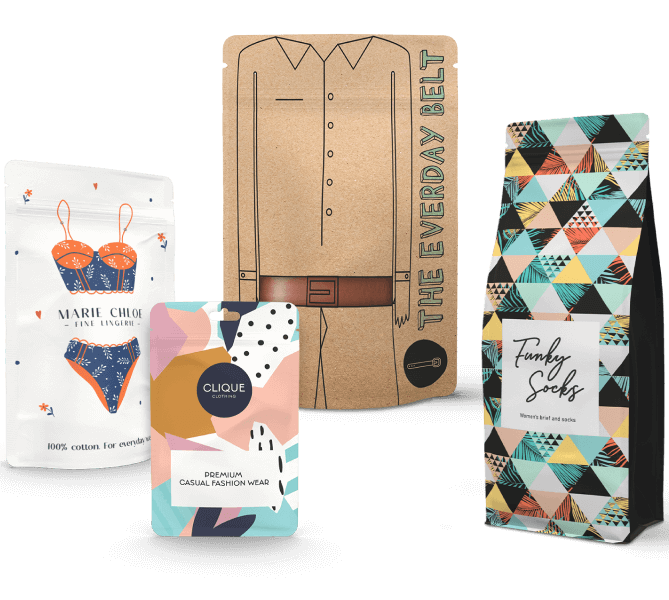
Stand-up pouches, spout pouches, and zipper bags are quietly becoming one of the fastest-growing categories in the flexible packaging market Pakistan. Their appeal is simple — they use less material than rigid containers, ship more efficiently, and give brands a flexible printing surface for storytelling. If you’re new to this format, what is a kraft standup pouch, and its uses and benefits in Pakistan explains the fundamentals well, and the full kraft standup pouches range shows just how many variations — from coffee bags to retort pouches — are now available locally.
♻️ Plastic Packaging Alternatives Gain Ground
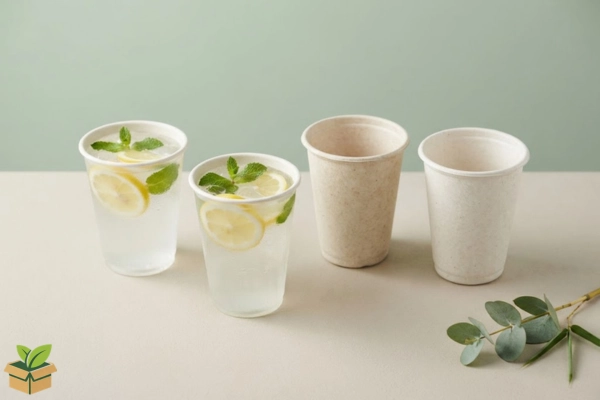
Businesses across food service, retail, and personal care are actively swapping single-use plastic for paper-based, plant-fiber, or biodegradable alternatives. This isn’t only about compliance — it’s about brand positioning. Consumers increasingly associate reduced plastic use with quality and care, which is why plastic packaging alternatives are showing up even in categories where plastic once dominated, like cups, cutlery, and takeaway containers.
🏭 Packaging Industry Pakistan: Materials, Manufacturers & Market Shifts
Behind every packaging trend is a manufacturing story. The packaging industry Pakistan has had to adapt quickly — sourcing new raw materials, retooling production lines, and in many cases, partnering directly with brands to develop custom solutions. Custom packaging companies Pakistan are seeing rising demand from businesses that want their packaging to double as marketing material, not just protection.
Here’s a quick comparison of the material categories currently dominating demand:
| Material Type | Common Use Case | Sustainability Level |
|---|---|---|
| Kraft Paper | Bakery boxes, pouches, bags | High – biodegradable & recyclable |
| Corrugated Cardboard | E-commerce & shipping boxes | High – recyclable, reusable |
| Aluminum Foil Laminate | Coffee, retort pouches | Moderate – recyclable with effort |
| PET/Plastic (reduced use) | Food containers, cups | Low – being phased down |
| Biodegradable Plant Fiber | Disposable cutlery, plates | Very High – compostable |
This shift toward paper and fiber-based packaging materials Pakistan reflects a broader change in supply chain priorities. Businesses relocating or expanding operations are also factoring packaging into logistics planning — our guide on packaging materials for home shifting in Pakistan is a useful reference if you’re managing bulk moves alongside product packaging needs.
🎨 Packaging Design Ideas That Are Winning Customer Attention
Design has become just as important as material choice. Packaging design ideas that lean into minimalism — soft color palettes, clean typography, and uncluttered layouts — are consistently outperforming busier, more traditional designs in terms of customer perception. This reflects a broader shift in consumer packaging preferences, where shoppers associate simplicity with premium quality and trustworthiness.
Brand packaging strategy has also evolved to prioritize consistency across touchpoints. A bakery using a specific kraft tone on its boxes will now often carry that same tone through to its bags, labels, and even social media visuals. This kind of cohesive approach strengthens brand recall far more effectively than one-off, disconnected packaging choices.
Custom printing has made this consistency achievable even for smaller businesses. Brands looking to build this kind of identity often start with printed essentials like custom printed burger boxes or custom printed tin boxes, both of which offer an affordable entry point into branded packaging.
💰 Packaging Cost Reduction Without Compromising Quality
One concern we hear constantly from business owners is whether sustainable or design-forward packaging automatically means higher costs. The honest answer is: not necessarily, if you approach it strategically.
A few practical ways businesses are achieving packaging cost reduction include:
- Buying materials in bulk directly from manufacturers rather than retail distributors
- Standardizing box sizes across product lines to reduce custom tooling costs
- Choosing lightweight materials that also reduce shipping weight and courier charges
- Avoiding over-packaging, which wastes material and increases costs unnecessarily
Many small businesses fall into avoidable traps here, which is why our post on common packaging mistakes small businesses make is worth reading before finalizing your next packaging order.
📜 Packaging Regulations Pakistan & What Businesses Should Know
As environmental policy tightens, packaging regulations Pakistan are becoming more relevant to everyday business decisions — not just for large exporters, but for local retailers and food businesses too. Environmental packaging policy discussions increasingly touch on plastic reduction targets, recyclability standards, and labeling requirements, especially for food and pharmaceutical products.
For businesses in the FMCG packaging demand space or exporting goods internationally, staying ahead of pharmaceutical packaging standards and export documentation requirements is no longer optional. The packaging export industry Pakistan is particularly sensitive to these changes, since international buyers often require proof of sustainable sourcing and compliant materials before finalizing contracts.
If your business is considering a full transition, how to switch your business to eco-friendly packaging offers a step-by-step approach that balances compliance with practicality.
🔮 What This Means for Your Brand
Pulling all of this together, the direction is clear: packaging in Pakistan is moving toward materials that are lighter, greener, and smarter, paired with designs that communicate brand values as much as product information. Businesses that treat packaging as a strategic investment — rather than a last-minute purchase — are the ones building stronger customer loyalty and better positioning themselves for export opportunities.
The good news is that this transition doesn’t have to happen overnight or drain your budget. Whether you’re a home baker moving from plastic to kraft, or a mid-sized food brand exploring flexible pouches for the first time, there’s a practical entry point for every stage of growth. Resources like our complete guide to food packaging in Pakistan and how to switch to eco food packaging and save money are designed specifically to make that transition smoother.
✅ Conclusion: Packaging Is No Longer an Afterthought
Packaging trends in Pakistan reflect a market that’s maturing fast — consumers expect sustainability, businesses expect efficiency, and regulators expect compliance. Brands that adapt early to biodegradable materials, smart technology, and thoughtful design aren’t just future-proofing their operations; they’re actively building stronger relationships with customers who notice and appreciate the effort. The packaging industry Pakistan is no longer just about boxes and bags — it’s about trust, identity, and responsibility.
If you’re ready to upgrade your packaging with sustainable, high-quality solutions built for the Pakistani market, explore our full product range and find the right fit for your brand today.
❓ Frequently Asked Questions
What are the biggest packaging trends in Pakistan right now? The biggest shifts include growing demand for biodegradable and kraft-based materials, rising adoption of flexible pouches, smart packaging features like QR-based traceability, and minimalist design approaches across food, retail, and e-commerce packaging.
Is sustainable packaging more expensive than traditional plastic packaging? Not always. While some biodegradable materials carry a slightly higher upfront cost, businesses often save money through reduced shipping weight, better brand loyalty, and avoiding potential regulatory penalties tied to plastic use.
Which industries in Pakistan are adopting eco-friendly packaging the fastest? Food and bakery businesses, e-commerce sellers, and personal care brands are leading the shift, largely driven by consumer demand and export requirements from international buyers.
How can small businesses switch to sustainable packaging without a big budget? Start with one product line, choose kraft or paper-based alternatives for high-visibility items, and scale gradually. Buying in bulk from local manufacturers also helps control costs significantly.
Are there packaging regulations in Pakistan businesses need to follow? Yes. Regulations around plastic reduction, food-grade material standards, and export packaging requirements are becoming stricter, particularly for FMCG, pharmaceutical, and food export sectors.











(0) Comments