
How to Switch Your Business to Eco-Friendly Packaging: A Complete Guide
If you’ve been wondering how to switch to eco-friendly packaging without disrupting your operations or blowing your budget, you’re asking the right question at the right time. Eco-friendly packaging is no longer a “nice-to-have” — it’s quickly becoming the baseline expectation for customers, retailers, and even regulators across the world. Whether you run a small bakery, an e-commerce store, or a food delivery business, this guide walks you through exactly how to make the shift smoothly, affordably, and effectively.
Let’s break down everything you need to know — from why this shift matters to the exact steps you can start taking this week.
🌍 Why Eco-Friendly Packaging Matters More Than Ever
Packaging waste has quietly become one of the biggest environmental headaches on the planet. Every box, pouch, and container your business ships out either adds to that problem — or helps solve it.
The Environmental Impact of Traditional Packaging
Traditional plastic-based packaging takes hundreds of years to decompose. It clogs landfills, pollutes oceans, and contributes heavily to a business’s overall carbon footprint. As packaging waste reduction becomes a global priority, companies that continue relying on single-use plastic are increasingly out of step with both consumers and regulations.
Growing Customer Demand for Sustainable Packaging
Here’s something worth paying attention to: customer demand for sustainable packaging isn’t a passing trend — it’s a purchasing decision driver. Shoppers today actively check whether a brand uses recyclable packaging materials, compostable packaging, or plastic-free packaging before they hit “buy.” If your competitors are switching and you’re not, that gap becomes visible fast.
💡 Why Switch to Eco-Friendly Packaging? Key Benefits for Your Business
Switching isn’t just about doing good — it’s genuinely good for business. Here’s what you gain:
- Stronger brand image — sustainable branding builds trust and loyalty
- Higher customer retention — eco-conscious buyers stick with eco-conscious brands
- Regulatory readiness — many regions are tightening eco-friendly packaging regulations
- Reduced long-term costs — less packaging waste often means leaner operations
- Better environmental responsibility — supports genuine carbon footprint reduction
- Competitive edge — most small businesses haven’t made the switch yet, so you stand out
In short, sustainable packaging for business isn’t just an environmental checkbox — it’s a growth strategy.
🛠️ How to Switch to Eco-Friendly Packaging: Step-by-Step Guide
This is the part you came for. Here’s exactly how to make the transition without chaos.
Step 1: Audit Your Current Packaging
Before changing anything, understand what you’re currently using. List every material — boxes, pouches, tape, fillers — and flag anything that’s non-recyclable, single-use plastic, or excessive.
- Which materials are plastic-heavy?
- Where is packaging waste highest?
- What’s actually necessary vs. what’s just “extra”?
Step 2: Set Clear Sustainability Goals
Decide what “eco-friendly” means for your business specifically. Some businesses aim for zero-waste packaging within a set timeframe; others start smaller, like switching just their shipping boxes first. Clear goals prevent half-hearted, inconsistent changes.
Step 3: Choose the Right Eco-Friendly Materials
This is where most of the real transformation happens. Depending on your industry, you might explore:
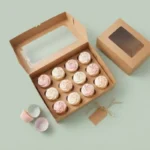
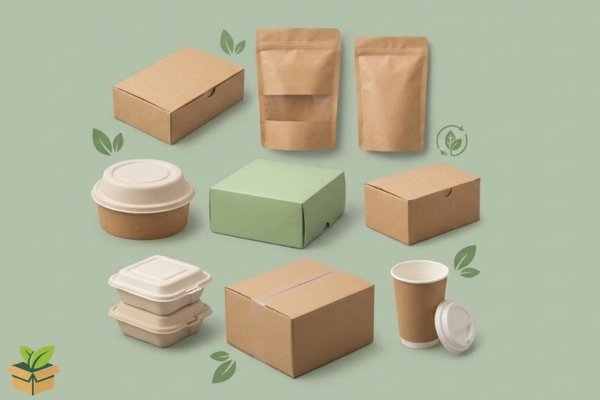
- Kraft paper packaging for retail and bakery items
- Biodegradable materials for food service
- Recycled cardboard boxes for e-commerce shipping
- Reusable packaging solutions for repeat customers
- Cornstarch or mushroom packaging for cushioning and fillers
If you run a food or bakery business, browsing a dedicated eco food packaging collection can help you compare compostable and biodegradable options side by side.
Step 4: Partner with Reliable Eco-Friendly Packaging Suppliers
Your supplier relationship makes or breaks this transition. Look for eco-friendly packaging suppliers who offer:
- Certified compostable or biodegradable materials
- Bulk pricing for small businesses
- Custom branding options on sustainable materials
- Consistent stock availability (this matters more than people expect)
For businesses in Pakistan, exploring a full shop of sustainable packaging products gives you a practical starting point to compare pricing and material types in one place.
Step 5: Test, Launch, and Communicate the Change
Don’t switch everything overnight. Test new packaging with a small batch of orders first, gather feedback, then roll it out fully. Once launched, tell your customers about it — on packaging inserts, social media, and your website. People want to know when a brand is trying.
Step 6: Monitor, Optimize, and Scale
Sustainability isn’t a one-time project. Track your packaging costs, waste levels, and customer feedback regularly. As sustainable packaging trends continue evolving, keep revisiting your choices to stay ahead rather than playing catch-up.
📦 Best Eco-Friendly Packaging Materials and Alternatives
Not sure where to start? Here’s a breakdown of the most practical eco packaging alternatives available today:
| Material | Best For | Key Benefit |
|---|---|---|
| Kraft paper | Bakery, retail, gift boxes | Biodegradable, natural look |
| Biodegradable plastics | Food containers | Breaks down faster than regular plastic |
| Recycled cardboard | E-commerce shipping | Cost-effective and widely recyclable |
| Compostable trays/plates | Food service, catering | Fully breaks down in composting systems |
| Reusable pouches | Retail, subscription boxes | Reduces repeat packaging waste |
| Bamboo & wooden cutlery | Food delivery, cafes | Renewable, plastic-free |
If you’re in food service, products like compostable biodegradable disposable plates or bamboo chopsticks are an easy first switch with minimal cost impact.
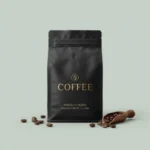
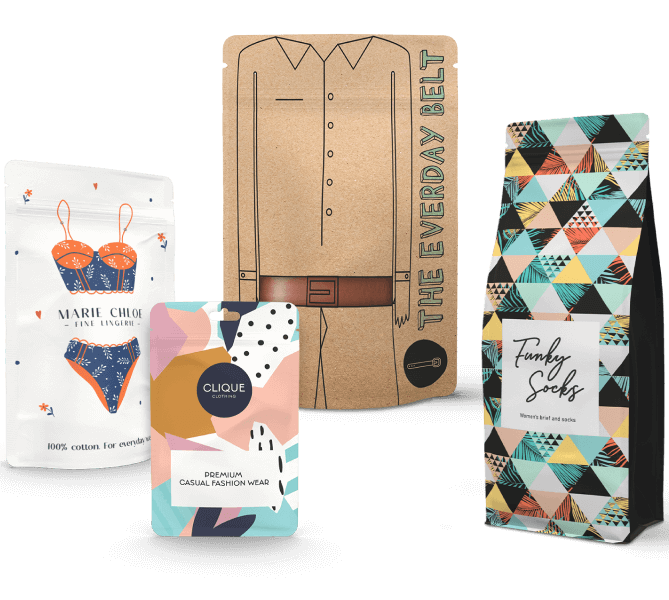
For retail and bakery brands, browsing kraft paper bags or kraft standup pouches gives you plenty of environmentally friendly packaging options that still look premium.
🏪 Sustainable Packaging Ideas for Small Businesses
Worried that eco-friendly packaging for small business owners is too expensive or complicated? It doesn’t have to be. Start small:
- Switch just your shipping tape and mailers first
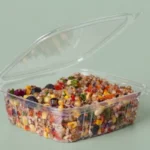
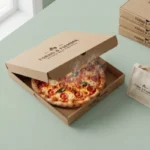
- Use kraft bowls or kraft food boxes instead of plastic containers
- Replace plastic straws with paper or wooden alternatives
- Offer a small discount for customers who skip extra packaging
- Use minimalist designs that reduce material use overall
Small, visible changes — like switching to a kraft bowl with lid — often create the biggest customer impressions relative to their cost.
💰 Cost of Eco-Friendly Packaging: Is It Worth the Investment?
Let’s address the elephant in the room — packaging cost vs sustainability is a real concern, especially for small businesses.
Here’s the honest picture:
- Short-term: Eco-friendly materials can cost slightly more per unit than conventional plastic.
- Long-term: Bulk sourcing, reduced waste, and stronger customer loyalty often offset the difference within months.
- Brand value: Businesses using sustainable packaging solutions frequently report better customer retention, which directly impacts revenue.
The key is sourcing smart. Buying in bulk from a dedicated packaging materials category typically brings costs down significantly compared to piecemeal purchasing.
📜 Eco-Friendly Packaging Certifications and Regulations to Know
As green packaging solutions become mainstream, so do the rules around them. Depending on your market, keep an eye on:
- Biodegradable/compostable certifications — confirm materials actually break down as claimed
- Food-safety certifications — especially important for kraft food packaging used with edibles
- Regional plastic-reduction regulations — many local governments are actively restricting single-use plastics
Staying compliant early protects your business from future scrambling when eco-friendly packaging regulations tighten further.
⚖️ Eco-Friendly Packaging vs Traditional Packaging: Quick Comparison
| Factor | Traditional Packaging | Eco-Friendly Packaging |
|---|---|---|
| Decomposition time | Hundreds of years | Weeks to months |
| Customer perception | Neutral to negative | Strongly positive |
| Long-term cost | Lower upfront, higher hidden cost | Slightly higher upfront, better long-term value |
| Regulatory risk | Increasing restrictions | Generally compliant |
| Brand differentiation | Minimal | Strong |
The takeaway is simple: eco-friendly packaging vs traditional packaging isn’t a close contest anymore — sustainability wins on almost every meaningful metric except immediate unit cost.
📈 Sustainable Packaging Trends Worth Watching
The green supply chain movement keeps evolving. A few trends worth watching:
- Mono-material packaging for easier recycling
- Mushroom and cornstarch packaging replacing plastic foam
- Reusable packaging systems for subscription and delivery brands
- QR-coded packaging showing customers the full sustainability journey
- Localized eco-sourcing to reduce shipping-related emissions
Businesses that adapt early to these shifts tend to build stronger long-term customer relationships than those reacting later.
✅ Final Thoughts: Making the Switch That Actually Sticks
Switching to eco-friendly packaging isn’t about making one dramatic overhaul — it’s about making consistent, smart choices that add up. Start with an honest audit, pick materials that fit your product and budget, partner with a reliable eco-friendly packaging supplier, and communicate the change to your customers clearly. The businesses that treat this as an ongoing commitment — not a one-time marketing move — are the ones that build real, lasting trust.
If you’re ready to start sourcing genuinely sustainable materials, explore the full range of eco-friendly packaging products to find options tailored to your business type and budget.
❓ Frequently Asked Questions
Q1: Why should my business switch to eco-friendly packaging? Switching improves brand reputation, meets rising customer demand for sustainable packaging, reduces long-term costs, and helps you stay ahead of tightening environmental regulations.
Q2: What are the best eco-friendly packaging materials for small businesses? Kraft paper, recycled cardboard, biodegradable containers, and compostable trays are among the most practical and affordable options for small businesses.
Q3: Is eco-friendly packaging more expensive than traditional packaging? It can cost slightly more upfront, but bulk sourcing and reduced waste often balance out costs over time, while boosting customer loyalty and brand value.
Q4: How do I find reliable eco-friendly packaging suppliers? Look for suppliers offering certified biodegradable or compostable materials, consistent stock, and bulk pricing suited to your business size.
Q5: What’s the difference between biodegradable and compostable packaging? Biodegradable packaging breaks down naturally over time, while compostable packaging breaks down specifically under composting conditions into non-toxic, nutrient-rich matter.














(0) Comments