

How to Use Food Container Buckets for Catering: A Complete Guide for Caterers
If you’ve ever managed food for a wedding, a corporate lunch, or a large family gathering, you already know that storage decisions can quietly make or break the entire event. Food container buckets for catering have become one of the most trusted tools in the industry, helping caterers store, transport, and serve food without compromising on freshness, hygiene, or presentation. Whether you’re preparing biryani for three hundred guests or packing curries for a weekend brunch, learning how to use food container buckets for catering correctly can save you hours of stress, reduce spillage, and leave clients genuinely impressed. In this guide, we’ll walk through everything from choosing the right size to packing techniques that experienced caterers rely on every single day.
🪣 What Are Food Container Buckets and Why They Matter in Catering
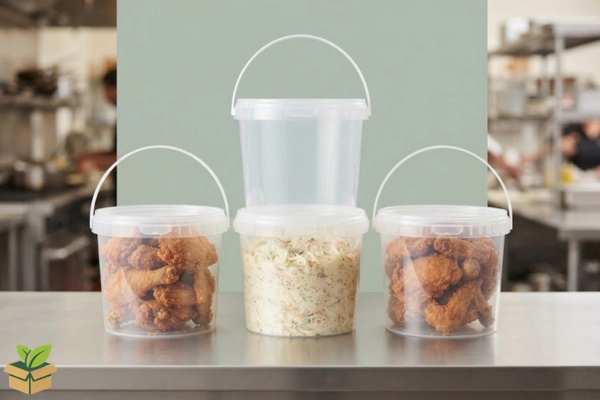
Food container buckets are sturdy, lidded containers designed to hold large quantities of food safely during storage and transport. Unlike flimsy trays or foil sheets, these buckets are built from food grade plastic that can handle both hot and cold temperatures without leaching chemicals into the food — a detail that matters enormously when you’re serving dozens or hundreds of guests at once.
What makes these buckets genuinely useful for catering businesses is their versatility. They’re stackable, which saves space in delivery vans and kitchen storage. They’re reusable, which cuts down long-term packaging costs. And most importantly, they’re leak-proof, which means your gravies, curries, and sauces arrive at the venue exactly as they left the kitchen. For any caterer juggling multiple orders in a single day, this reliability becomes a quiet but essential part of daily operations.
🍽️ Why Caterers Prefer Buckets Over Trays and Foil Containers
Trays and foil containers have their place, but they struggle when it comes to bulk catering. Foil containers tend to bend under weight, and trays rarely offer a secure seal — both are problems you don’t want showing up mid-delivery. Food container buckets, on the other hand, offer a tight-fitting lid that locks moisture and heat in, which is exactly why they’re considered one of the true catering business essentials.
In practice, many caterers use a mixed approach: buckets for liquid-heavy dishes like curries and daal, and flatter containers for items like rice or kebabs. This combination keeps the entire catering setup organized while ensuring nothing shifts or spills during transport, even on bumpy roads or multi-stop deliveries.
📦 Types of Food Container Buckets Every Caterer Should Know
Not all buckets are created equal, and understanding the different types available helps you build a smarter catering toolkit.
Food Grade Plastic Buckets with Lids
These are the backbone of most catering operations. Food container buckets with lids create an airtight seal that locks in moisture, preventing dishes like biryani or karahi from drying out before they reach the table.
Insulated Food Carriers for Hot and Cold Dishes
For events where food needs to stay hot for hours — think outdoor weddings or long corporate functions — insulated carriers are invaluable. They slow down heat loss significantly, giving caterers a wider serving window without compromising taste or temperature.
Leak-Proof Buckets for Liquid-Based Dishes
Gravies, soups, and sauces demand containers that won’t shift or seep. Leak-proof buckets with reinforced lids solve this problem directly, making them a go-to choice for anything with a liquid base.
A few quick things to look for when selecting buckets for your business:
- Capacity options ranging from small portions to bulk catering sizes
- BPA-free, food-safe material certified for direct food contact
- Secure locking lids that resist accidental opening during transport
🧭 How to Use Food Container Buckets for Catering (Step-by-Step)
This is where theory turns into practice. Here’s exactly how experienced caterers approach bucket usage from kitchen to table.
Step 1: Pick the Right Bucket Size for the Job
Before you even start cooking, match your bucket size to your guest count. Oversized buckets waste space and risk spillage from excess movement, while undersized ones lead to overflow. A detailed breakdown of this is covered in our guide on how to choose the right food container bucket size, which walks through capacity math based on portion counts.
Step 2: Prioritize Food Safety and Hygiene
Always cool hot food slightly before sealing it in a bucket — trapping steam inside a closed container can create condensation that affects texture and shortens shelf life. Clean, sanitized buckets at the start of every event are non-negotiable for maintaining food safety standards that protect both your clients and your business reputation.
Step 3: Pack by Food Type and Temperature
Group similar dishes together. Rice-based dishes, curries, and proteins each behave differently once sealed, so separating them by category and temperature prevents cross-contamination of flavors and keeps each dish tasting as intended.
Step 4: Seal and Secure Before Transport
Double-check that every lid clicks fully into place before loading buckets into a delivery vehicle. A loose lid is often the single biggest cause of spills during catering transport, and it’s entirely preventable with a thirty-second check.
Step 5: Label Every Bucket Clearly
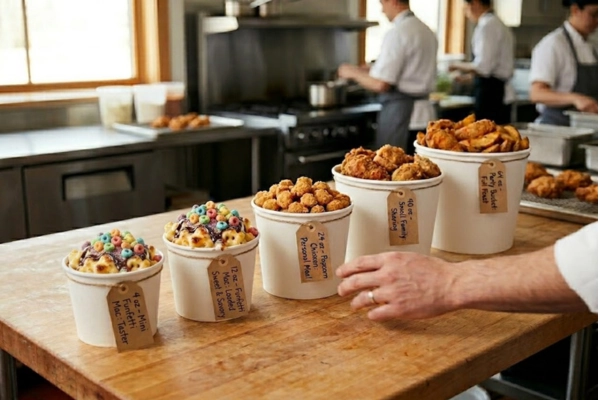
Simple labels — dish name, quantity, allergens — save enormous confusion once buckets arrive at a busy event. This small habit noticeably speeds up setup time, especially during multi-dish catering orders.
🚚 Best Practices for Transporting Catering Food in Buckets
Transport is often where catering orders go wrong, even when the food itself was prepared perfectly. Buckets should always be loaded upright and secured against sliding, ideally using crates or non-slip mats in the vehicle. For longer drives, placing insulated carriers near the vehicle’s center of gravity helps maintain stability and reduces unnecessary movement.
It’s also worth noting that reliable catering transport solutions go beyond just the container — vehicle organization, loading order, and even the sequence of unloading at the venue all play a role in how fresh the food appears when it’s finally served.
❄️🔥 Keeping Food Fresh: Hot and Cold Holding Tips
Temperature control is where food container buckets truly earn their reputation. For hot dishes, insulated buckets function as effective hot food holding containers, slowing heat loss for several hours when sealed properly immediately after cooking. For cold items like salads or desserts, cold food storage containers with tight seals prevent moisture buildup that would otherwise make the food soggy or unappetizing by serving time.
A practical rule many caterers follow: never let hot food sit uncovered for more than 20–30 minutes before sealing, and never let cold dishes sit at room temperature longer than necessary before refrigeration or ice-packing.
💡 Real-World Examples: How Pakistani Caterers Use Food Buckets
Across Pakistan, catering businesses have quietly built entire workflows around these containers. Wedding caterers frequently use large buckets to transport biryani and karahi in bulk, often pairing them with our guide on how to use kraft bowls for biryani packaging for individual serving portions once the main dish arrives at the venue.
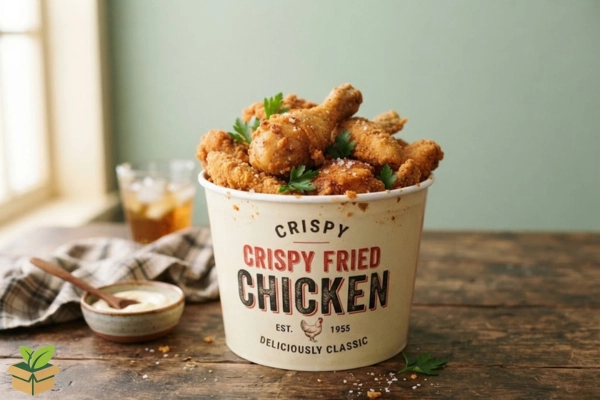
Fast-food style catering setups, meanwhile, rely heavily on specialized options like fried chicken packaging buckets, which are specifically designed for crispy items that need ventilation alongside containment. Corporate event caterers, who often need to serve salads and lighter fare, benefit from pairing standard buckets with dedicated salad bowl packaging for freshness-sensitive items that don’t suit a sealed bucket environment.
⚠️ Common Mistakes Caterers Make With Food Buckets
Even experienced caterers occasionally slip up when working under event-day pressure. A few recurring mistakes worth watching for:
- Sealing food while it’s still releasing significant steam, which traps excess moisture
- Overfilling buckets beyond their recommended capacity line
- Reusing buckets without proper sanitization between different food types
- Skipping labels, leading to confusion and delays during event setup
Avoiding these simple errors often separates a smooth catering delivery from a stressful one.
🛒 Choosing the Best Food Container Buckets for Your Catering Business
Selecting the right bucket ultimately comes down to matching container specs to your typical order volume. Here’s a quick comparison to simplify that decision:
| Bucket Type | Best For | Key Advantage |
|---|---|---|
| Small (500gm–1kg) | Individual portions, side dishes | Easy handling, minimal waste |
| Medium (2–5kg) | Family-style orders, small events | Balanced capacity and portability |
| Large bulk buckets | Weddings, corporate catering | Fewer containers, faster packing |
| Insulated carriers | Hot dishes, long-distance delivery | Extended heat retention |
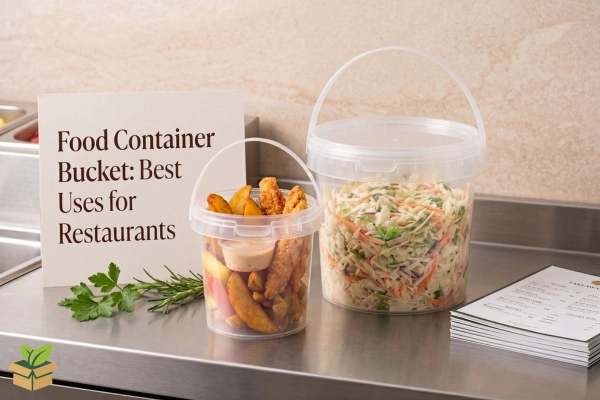
For businesses exploring their full container lineup, browsing the food container bucket collection or checking our best uses guide for restaurants offers a solid starting point before placing bulk orders.
🌱 Food Container Buckets as a Catering Business Essential
Beyond convenience, there’s a growing shift toward durable, reusable packaging across Pakistan’s food service industry. Food grade buckets fit neatly into this movement — they reduce single-use waste compared to disposable foil trays and hold up to repeated use across dozens of events. For caterers building a brand around reliability and sustainability, this detail increasingly matters to clients who notice the difference between disposable, flimsy packaging and professional-grade catering supplies.
✅ Final Thoughts: Build a Smarter Catering Workflow
Mastering how to use food container buckets for catering isn’t about complicated techniques — it’s about consistency. Choosing the right size, respecting food safety basics, packing thoughtfully by dish type, and securing everything properly before transport are small habits that compound into a noticeably smoother catering operation. Caterers who treat packaging as seriously as the food itself tend to build stronger client trust and fewer last-minute disasters.
If you’re ready to upgrade your catering packaging setup, explore our complete range of food grade buckets and catering containers built specifically for bulk food storage, transport, and hot-and-cold holding needs.
❓ Frequently Asked Questions
What size food container bucket is best for catering? It depends on your order volume. Small buckets (500gm–1kg) suit individual portions, while bulk buckets work better for weddings or corporate events with large guest counts.
Are food grade plastic buckets safe for hot food? Yes, as long as they’re certified food grade and designed to handle heat. Always check that the bucket material is rated for hot food contact before use.
How do I prevent food buckets from leaking during transport? Ensure the lid clicks fully into place, avoid overfilling beyond the fill line, and load buckets upright with minimal movement space in the delivery vehicle.
Can food container buckets be reused for multiple events? Yes, most food grade buckets are designed for repeated use. Proper sanitization between uses is essential to maintain hygiene standards.
How long can food stay fresh in a sealed catering bucket? This varies by dish, but properly sealed hot food typically stays warm and fresh for 2–4 hours, while cold items last longer with ice packs or refrigeration support.


















(0) Comments